
0%

Choosing Inconel 625 Fasteners for global sourcing requires more than comparing prices or tensile strength. The decision must connect alloy chemistry, manufacturing quality, installation conditions, and long-term service exposure. Special Metals identifies Inconel alloy 625 as a nickel-chromium-molybdenum alloy with strong resistance to pitting, crevice corrosion, and chloride stress corrosion cracking. These properties make it suitable for marine equipment, chemical processing, aerospace structures, and high-temperature systems.

The 2024 USGS Mineral Commodity Summaries reported global nickel mine production at approximately 3.6 million metric tons in 2023. Nickel availability can influence lead times and pricing. ASTM F467/F467M and ASTM B637 provide useful purchasing references for corrosion-resistant fasteners and precipitation-hardenable nickel alloys. However, specifications alone are not enough. As materials expert Robert C. Reed emphasizes, “Alloy selection must match the environment, not merely the temperature.” That principle deserves attention.

A practical buyer should verify heat numbers, mill certificates, mechanical test results, thread dimensions, surface condition, and traceability. Ask whether the supplier controls cold forming, heat treatment, and final inspection. A polished certificate can still hide weak process control. This is where sourcing becomes less tidy. The cheapest quotation may exclude testing, approved packaging, or replacement support. Salt spray, acidic gases, cyclic loading, and galvanic contact can change the risk quickly. Therefore, this guide examines how to compare Inconel 625 Fasteners across suppliers, standards, production regions, and application requirements. Some assumptions may need revision. Real service data should always challenge a convenient purchasing decision.
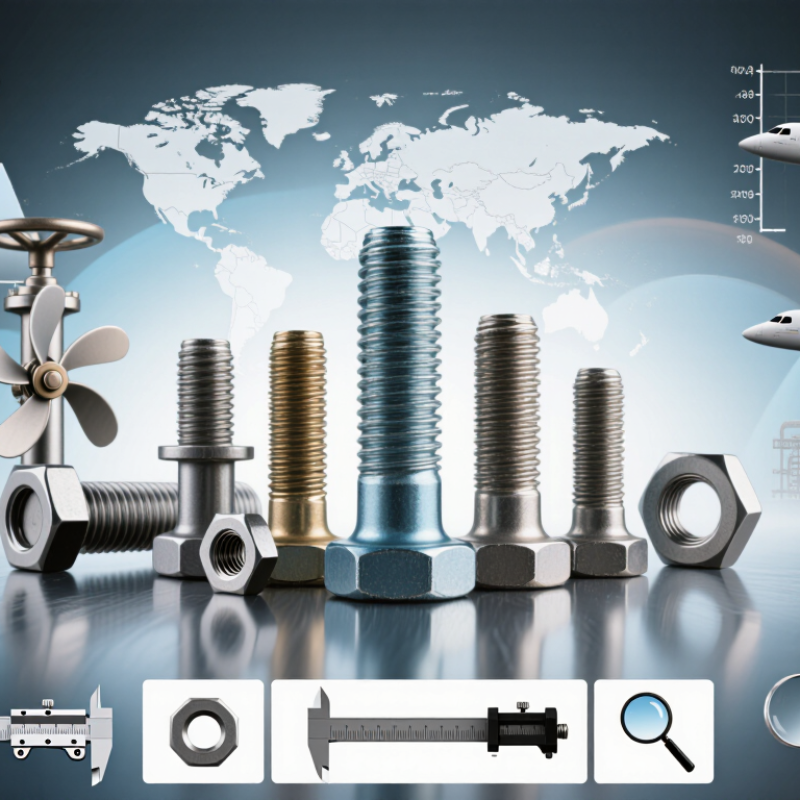
How to Choose Inconel 625 Fasteners for Global Sourcing?

Understanding Inconel 625 and Its Fastener Properties

Inconel 625 is a nickel-based alloy containing chromium, molybdenum, and niobium. Its composition supports strong resistance to chloride attack, pitting, and many acidic environments. This makes it suitable for seawater systems, chemical equipment, exhaust assemblies, and high-temperature service. The alloy also retains useful strength across a wide temperature range.

Fasteners made from Inconel 625 are not simply stronger versions of stainless steel bolts. They resist corrosion well, but their high work-hardening rate makes machining and thread forming more demanding. Galling is also a practical concern during installation. Use clean threads, controlled tightening, and a compatible lubricant approved for the service environment. The wrong lubricant can contaminate a process or affect torque accuracy.

Global sourcing requires more than checking the alloy name. Request the UNS designation, material condition, dimensions, thread class, mechanical test results, and full material traceability. Confirm that the supplier follows the required ASTM or equivalent specification for the fastener type. Certificates should match the lot number, not just the purchase order. Pay attention to head markings and thread inspection records.

A common mistake is selecting 625 only because the environment looks severe. Cost, preload, temperature cycling, and galvanic contact also matter. I would compare the fastener against the mating material before approval. Even excellent alloy data cannot correct poor joint design or uncontrolled installation.

Defining Fastener Requirements for Global Applications

Choosing Inconel 625 fasteners for global applications starts with a precise requirement sheet.

Do not rely on “corrosion resistant” alone. Define diameter, length, thread form, pitch, head style, and installation torque. Record temperature, pressure, salt exposure, and contact metals. A coastal process unit and a dry turbine room need different controls. Small details matter.

I have seen projects delayed because a metric thread was assumed to match an imperial drawing. Confirm the thread standard with a controlled drawing and physical gauge. Specify mechanical properties at the actual service temperature, not only at room temperature. Follow the applicable engineering standard for dimensions, testing, and documentation. Request heat-lot traceability, chemical analysis, tensile results, hardness data, and inspection records. Require clear marking and moisture-resistant packaging. Global shipments may face long storage, vibration, and repeated customs handling.

Define acceptance criteria before requesting quotations. Include dimensional tolerances, surface condition, thread inspection, sampling plans, and document language. Inconel 625 can resist severe environments, yet galvanic contact with dissimilar metals still deserves review. Consider washers, coatings, and assembly lubricants together. Some lubricant choices can affect torque accuracy. This is easy to overlook. I would test a representative joint when preload is critical. A spreadsheet cannot reveal every installation problem. Reviewers should challenge their assumptions, including mine, before approving a large release.

Comparing Grades, Standards, and Manufacturing Methods

For global sourcing, begin with the alloy designation, not the supplier’s marketing description. Inconel 625 normally corresponds to UNS N06625, valued for nickel-chromium-molybdenum resistance and high-temperature strength. The 2024 USGS Mineral Commodity Summaries estimated 2023 global nickel mine production at 3.6 million metric tons. That scale supports supply, but it does not guarantee consistent fastener chemistry or traceability.

Standards must match the product form. ASTM B446 covers nickel-alloy bar and rod, while ASTM B564 addresses nickel-alloy forgings. ASTM F467 and F468 may apply to nonferrous nuts, bolts, screws, and studs, but buyers should verify grade-specific requirements. ISO 3506 mainly covers corrosion-resistant stainless-steel fasteners, so applying it automatically to alloy 625 can create gaps. Request heat numbers, chemical analysis, tensile results, hardness data, and positive material identification. Small details matter.

Manufacturing method affects both price and reliability. Hot forging can improve grain flow for larger fasteners, while machining suits low-volume or complex parts. Cold heading may reduce waste, but alloy 625 work-hardens quickly and can increase tooling demands. Nickel alloys also generate high cutting forces. Not simple. My practical preference is controlled forging followed by qualified machining, especially for critical joints. Yet this is not universal. A small diameter may perform well after cold forming, provided heat treatment and inspection records are credible. A low quotation deserves more questions, not immediate approval.

Evaluating Suppliers, Certifications, and Quality Controls

Choosing Inconel 625 fasteners for global sourcing requires more than comparing prices. Supplier capability matters.

Request a complete technical package before approval. It should include the material test report, heat number, chemical composition, mechanical results, and dimensional records. Ask whether the supplier can trace each fastener back to its original melt and production lot. That detail becomes valuable when a shipment reaches a remote installation site.

Review relevant standards carefully. ASTM requirements may cover alloy fastener chemistry, dimensions, and mechanical performance, while EN 10204 inspection documents support material verification. Confirm which standard applies to your design, rather than accepting a generic certificate. ISO 9001 certification shows a controlled management system, but it does not guarantee perfect products.

Quality controls should include positive material identification, hardness testing, tensile testing, thread gauging, and visual inspection. For critical applications, request independent laboratory verification or witnessed testing. A supplier audit can reveal practical weaknesses, such as mixed lots, unclear calibration records, or poorly protected threads. Small details matter.

Ask for sample fasteners before placing a production order. Check thread fit, surface condition, head markings, and packaging. Inconel 625 is corrosion resistant, but contamination during machining or storage can still create problems. Confirm cleaning, segregation, and packing methods in writing. Not every supplier documents these steps well.

I would also challenge unusually low quotations. They may reflect efficient production, but they can also signal thinner inspection coverage or unclear material origin. Certificates can look complete. The evidence behind them matters more. Allow room for rechecking assumptions. Procurement teams sometimes approve paperwork before testing the actual parts. That mistake is avoidable.

How to Choose Inconel 625 Fasteners for Global Sourcing? – Evaluating Suppliers, Certifications, and Quality Controls
Evaluation Dimension Technical or Commercial Data Recommended Requirement Verification Evidence Sourcing Risk Indicator
Material Identity Nickel-chromium-molybdenum alloy 625; UNS N06625. The purchase order, material certificate, product marking, and inspection records should identify UNS N06625 or the contractually specified equivalent. Heat-numbered material test certificate, chemical analysis, product marking, and traceability records. Generic descriptions such as “nickel alloy” without a specific designation create substitution risk.
Chemical Composition Typical specification limits for Alloy 625 include chromium 20.0–23.0%, molybdenum 8.0–10.0%, niobium plus tantalum 3.15–4.15%, iron not more than 5.0%, and nickel as the balance. Each heat should conform to the applicable material standard and the agreed purchase specification. Carbon, manganese, silicon, aluminum, titanium, and cobalt limits should also be checked. Laboratory chemical analysis linked to the heat number; positive material identification when required by the project. Missing heat-specific chemistry or unexplained deviations should be treated as a hold point.
Applicable Product Standard Nonferrous alloy bolts, screws, studs, and nuts may be purchased to ASTM F467 and ASTM F468 where applicable to the product form and fastener type. The supplier should state the exact standard, grade, product form, size range, and any supplementary requirements instead of citing only “equivalent standards.” Approved drawing, purchase specification, certificate of conformity, and dimensional inspection report. A standard that does not cover the supplied fastener type, size, or condition is not sufficient evidence of compliance.
Mechanical Properties Strength and hardness depend on product form, diameter, cold work, heat treatment, and the governing standard; universal values should not be assumed. Define minimum tensile strength, yield strength, elongation, and hardness in the purchase specification for the selected product condition. Heat-specific tensile test, yield test, elongation result, hardness report, and test-method reference. Certificates reporting only nominal alloy chemistry without mechanical results are incomplete for critical fasteners.
Fastener Dimensions Thread form, nominal diameter, pitch, length, head style, washer face, and nut geometry must match the approved drawing or dimensional standard. Use a clearly identified dimensional standard and specify whether threads are metric or inch, including tolerance class and thread fit. Calibrated gauges, thread plug and ring gauge records, dimensional inspection report, and sample approval. Mixed thread systems and incomplete drawings are common causes of field installation failure.
Thread and Surface Condition Nickel-alloy fasteners can experience galling, particularly during installation under high load or repeated tightening. Specify surface finish, lubrication or anti-seize system, installation torque procedure, and whether coatings are permitted. Surface-finish report, coating or lubricant certificate, installation procedure, and torque-tension test when required. Unapproved plating or lubricant may affect corrosion resistance, friction, temperature capability, or torque control.
Heat and Lot Traceability A traceable lot should connect raw material heat, forging or machining batch, inspection results, and shipment records. Maintain one-step-back and one-step-forward traceability from the supplied fastener to the original material heat and final inspection lot. Heat number, lot number, traveler, material certificate, inspection report, packing list, and permanent or durable marking. Mixed heats in one package without segregation or documentation increase recall and nonconformance risk.
Material Certification EN 10204 Type 3.1 certificates provide manufacturer-declared test results for the delivered material; Type 3.2 adds validation by an independent or purchaser-appointed inspector. Require EN 10204 3.1 as the baseline for controlled projects and 3.2 when contract, regulation, or risk classification requires independent validation. Signed certificate containing heat number, specification, chemical results, mechanical results, product description, and authorized approval. Unsigned, generic, or heat-mismatched certificates should not be accepted as product certification.
Quality Management System ISO 9001 certification demonstrates a documented quality-management system, but it does not by itself prove that every fastener meets the purchase specification. Confirm certificate validity, certification scope, manufacturing location, and audit status; supplement it with product-specific inspection controls. Current certificate, certification scope, audit documentation, quality manual extracts, and supplier questionnaire. A certificate covering only trading or distribution activities may not cover the actual manufacturing process.
Inspection and Testing Plan Critical fastener orders may require document review, incoming material verification, in-process inspection, final dimensional inspection, and release inspection. Approve an inspection and testing plan with defined hold points, witness points, sampling levels, responsible parties, and record-retention periods. Inspection and testing plan, inspection reports, nonconformance reports, corrective-action records, and release note. A supplier that cannot define acceptance criteria before production may have weak process control.
Non-Destructive Examination Visual, dimensional, liquid penetrant, ultrasonic, or other examinations may be specified according to the application and purchaser risk assessment. Use non-destructive testing only where technically justified, and specify method, coverage, acceptance criteria, personnel qualification, and report format. NDE procedure, examiner qualification record, equipment calibration, test report, and indication-resolution records. NDE without defined acceptance criteria can produce documentation without a meaningful pass/fail decision.
Sour-Service Suitability For oil and gas environments containing hydrogen sulfide, NACE MR0175/ISO 15156 may apply, depending on material, environment, hardness, temperature, and stress conditions. Confirm environmental limits and purchasing requirements before claiming sour-service compliance; do not infer suitability solely from the alloy name. Application review, compliance statement, test data where required, hardness results, and material-condition records. Service-environment compatibility must be evaluated with the complete system, not with the fastener material alone.
Corrosion and Temperature Review Alloy 625 is selected for high corrosion resistance and elevated-temperature capability, but performance depends on chlorides, acids, oxidizing conditions, stress, temperature, and fabrication condition. Document the actual media, temperature range, pressure, exposure duration, and galvanic-contact conditions before final material approval. Design basis, corrosion review, compatibility assessment, and project-specific test data where required. “Corrosion resistant” is not an unrestricted guarantee for every chemical or temperature environment.
Supplier Manufacturing Capability Relevant capabilities include cold heading, hot forging, machining, thread rolling or cutting, heat treatment, cleaning, inspection, and controlled packaging. Select a supplier whose approved process route matches the required diameter, geometry, material condition, tolerance, and production volume. Process flow chart, equipment list, capability study, sample parts, process qualification, and production records. Subcontracted operations should be disclosed and controlled through approved external-provider procedures.
Sampling and Acceptance Sampling should reflect fastener criticality, lot size, failure consequence, and applicable quality plan; it should not replace required heat-specific testing. Define lot size, sample quantity, acceptance number, retest rules, and conditions for 100% inspection or third-party inspection. Quality plan, sampling table, inspection records, and signed final acceptance report. Undocumented sampling or informal “standard inspection” language makes supplier comparisons unreliable.
Packaging and Identification Fasteners should be protected from contamination, mechanical damage, moisture, and loss of traceability during international shipment. Use sealed or protected packaging with part number, size, quantity, heat or lot number, material designation, and inspection status. Packing specification, package photographs, packing list, labels, and shipment-release checklist. Unlabeled mixed cartons can make otherwise compliant material unusable at receiving inspection.
Global Logistics Lead time depends on raw-material availability, manufacturing route, testing requirements, inspection hold points, packaging, and export documentation. Obtain a documented schedule covering drawing approval, raw-material release, production, testing, inspection, packing, and shipment; include contingency time. Milestone schedule, production updates, inspection booking, commercial invoice, packing list, and country-of-origin documentation. A short quoted lead time without capacity and material-availability evidence may conceal schedule risk.
Commercial Comparison Total landed cost includes fastener price, testing, inspection, packaging, freight, duties, taxes, rework exposure, and potential installation costs. Compare suppliers using the same specification, quantity basis, Incoterm, documentation package, inspection scope, and delivery point. Comparable quotations, cost breakdown, Incoterm, payment terms, validity period, and warranty conditions. The lowest unit price may not be the lowest total cost when certification or installation requirements are omitted.
Procurement note: Final requirements should be confirmed against the latest applicable standards, approved engineering drawings, service environment, regulatory obligations, and project-specific inspection plan. Mechanical-property limits and testing requirements must be stated for the selected fastener size, product form, and material condition.

Managing Costs, Logistics, and International Compliance

Selecting Inconel 625 fasteners globally requires more than comparing unit prices. Nickel content strongly influences cost. The USGS Mineral Commodity Summaries 2024 reported approximately 3.6 million metric tons of global nickel mine production in 2023. Supply growth does not guarantee stable pricing. Small errors compound. Request quotes against UNS N06625, required dimensions, thread class, strength level, and testing scope. ASTM B446 may apply to bar or wire, while ASTM F468 can support nonferrous fastener specifications. Confirm the exact standard with an independent materials engineer. A low quote can still mislead.

Logistics can erase a material saving. UNCTAD’s Review of Maritime Transport 2023 states that ships carry over 80% of world merchandise trade by volume. Allow time for ocean transit, port congestion, customs review, and regional delivery. Use corrosion-resistant packaging, desiccant, lot labels, and sealed inspection records. International compliance needs a complete document chain. Ask for an EN 10204 3.1 material certificate, heat number traceability, dimensional reports, mechanical results, and applicable REACH or RoHS declarations. Verify the correct customs classification with a qualified broker; fastener classification can vary by design and jurisdiction. Incoterms 2020 should define insurance, delivery risk, and import responsibilities clearly. Do not guess. A missed certificate or inconsistent thread gauge can delay installation for weeks. Rechecking supplier assumptions is slower, but often cheaper.

How to Choose Inconel 625 Fasteners for Global Sourcing?

Managing costs, logistics, and international compliance through verified material requirements.

How to use these values: Inconel 625 fasteners are commonly specified with a minimum tensile strength of 827 MPa, a minimum yield strength of 414 MPa, and a minimum elongation of 30% under the ASTM B446 material baseline for UNS N06625. Its density of approximately 8.44 g/cm³ should be included in weight-based freight and landed-cost calculations. For international purchasing, request heat-lot traceability, inspection documentation, the applicable ASTM or national fastener standard, and destination-specific REACH, RoHS, customs, and marking documentation before shipment.

Reference basis: ASTM B446 minimum mechanical-property values for UNS N06625 and commonly published density data for wrought Inconel 625. Confirm the required product form, heat treatment, dimensions, thread class, and certification requirements in the purchase specification.

FAQS

What is nickel-based alloy 625 commonly used for?

It suits seawater systems, chemical equipment, exhaust assemblies, and high-temperature service. It resists chloride attack, pitting, and many acidic environments. Useful strength remains across changing temperatures.

Why is alloy 625 not simply a stronger stainless steel?

Its corrosion resistance is excellent, but machining can be more difficult. The alloy work-hardens quickly during cutting or thread forming. Not simple.

How can installers reduce galling during fastening?

Keep threads clean and apply a compatible lubricant approved for the service environment. Use controlled tightening rather than relying on feel. Poor lubrication can distort torque accuracy or contaminate a process.

Which material details should buyers request?

Request the alloy designation, material condition, dimensions, thread class, and mechanical results. Ask for heat numbers and complete lot traceability. Head markings matter.

Which standards may apply to these fasteners?

Requirements depend on the product form and fastener type. Bar, rod, forgings, nuts, bolts, screws, and studs may use different specifications. Do not apply a stainless-steel standard automatically.

Which manufacturing method is most reliable?

Controlled forging followed by qualified machining can support critical joints. Hot forging may improve grain flow in larger fasteners. Small parts may perform well after cold forming, if inspection records are credible.

How should buyers compare supplier quotations?

Compare quotes using the exact alloy designation, dimensions, thread class, strength level, and testing scope. Nickel content can strongly affect cost. A low quotation deserves more questions.

What documents are important for international sourcing?

Request material certificates, heat-number traceability, dimensional reports, mechanical results, and thread inspection records. Use sealed records, lot labels, corrosion-resistant packaging, and desiccant during shipping. One missing certificate can delay installation for weeks.

Is alloy 625 always the best choice for severe environments?

No. Evaluate cost, preload, temperature cycling, joint design, and galvanic contact together. Compare the fastener with its mating material before approval. Excellent alloy data cannot repair poor installation.

Conclusion

Choosing the right Inconel 625 Fasteners for global sourcing requires a clear understanding of their material properties, application requirements, and supply chain considerations. Inconel 625 offers excellent resistance to corrosion, oxidation, heat, and mechanical stress, making it suitable for demanding environments. Buyers should define required strength, temperature performance, thread specifications, dimensions, surface condition, and compatibility with the equipment or structure where the fasteners will be installed.

A reliable sourcing process also involves comparing applicable grades, international standards, and manufacturing methods such as cold forming, machining, and heat treatment. Supplier evaluation should include production capabilities, material traceability, inspection procedures, testing records, and recognized certifications. In addition, total cost should account for tooling, quality verification, packaging, transportation, duties, lead times, and documentation. By balancing technical performance, supplier reliability, logistics, and international compliance requirements, purchasers can reduce project risks and secure consistent fastener quality across global applications.

Amelia

Amelia

Amelia is a highly experienced marketing professional dedicated to helping businesses understand products, markets, and customer needs more clearly. With a strong command of the company’s solutions, she regularly contributes expert articles to the corporate website, covering industry trends,......
Contact Us