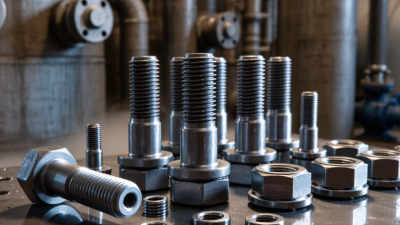
What Are Hastelloy C276 Fasteners Used For?
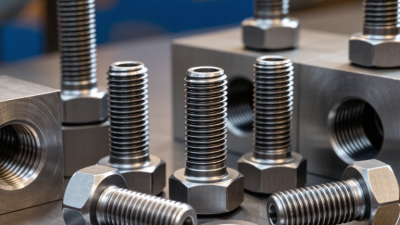
Hastelloy C276 Fasteners are selected when ordinary stainless steel cannot reliably withstand aggressive chemicals, heat, and contamination risks. Their nickel-molybdenum-chromium composition offers strong resistance to pitting, crevice corrosion, and stress-corrosion cracking. These properties make them valuable in chemical processing plants, pollution-control equipment, pulp and paper systems, offshore facilities, and waste-treatment units.
The need is substantial. NACE International’s IMPACT study estimated that corrosion costs the global economy about $2.5 trillion annually, equal to roughly 3.4% of global gross domestic product. That figure explains why engineers protect small connections carefully. A single bolt beside a chlorine scrubber may face hot acid mist, vibration, and repeated maintenance cycles. If it seizes or fractures, replacing a gasket may become a larger shutdown.
Hastelloy C276 Fasteners are commonly used for reactor covers, pipe flanges, heat exchangers, ducting, pumps, and tank assemblies exposed to chlorides, sulfur compounds, or oxidizing media. AMPP standards and NACE corrosion-control guidance emphasize that alloy selection must match the actual chemical environment, temperature, stress, and fabrication condition. C276 is highly capable, but it is not invulnerable. Wrong washers, damaged threads, poor cleaning, or galvanic contact can still create failure points. That detail is often overlooked. Fastener performance also depends on correct torque, surface condition, and traceable material certification. In practice, engineers should review process data rather than choose the alloy from a corrosion chart alone. The better question is not whether C276 is expensive, but whether premature failure would cost more.
Read more »

 By:Ethan
- October 29, 2026
 By:Amelia
- October 20, 2026
 By:Oliver
- October 20, 2026