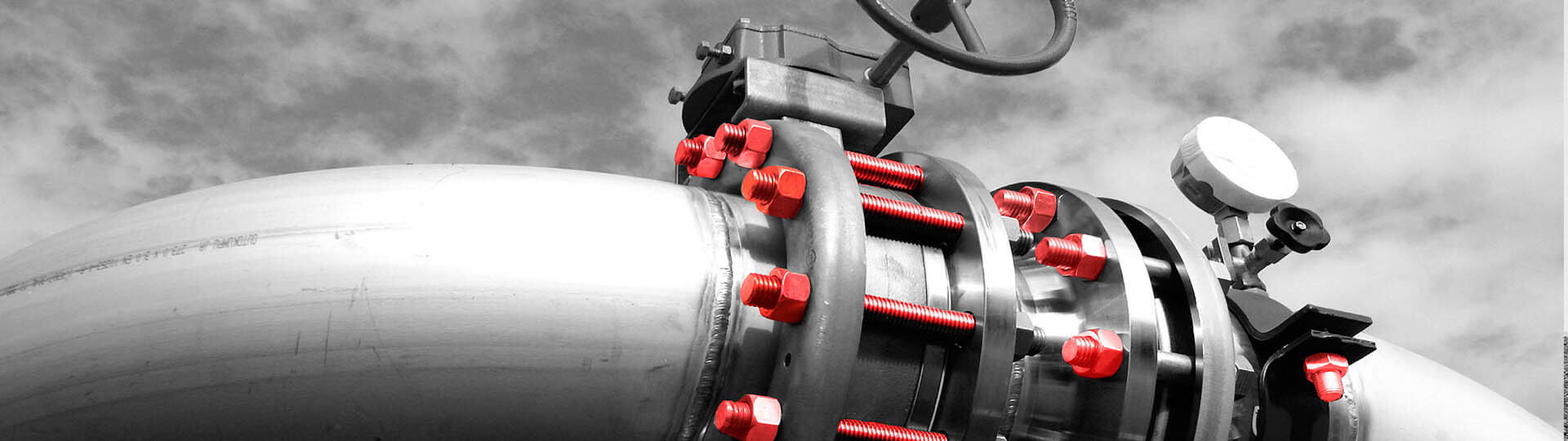

Hastelloy B2 UNS N10665 stud bolts and heavy hex nuts for severe chemical process piping
Precision-machined Hastelloy B2 washers and components for reducing acid service
ISO 9001:2015Precision Quality Management
PED 2014/68/EUTUV Rheinland Pressure Approved
EN 10204 3.1 / 3.2Complete Heat Traceability
Global ExporterDelivering across 6 Continents
Corrosion Engineering Authority

Why Are Engineers Sourcing Hastelloy B2 Fasteners for Severe Reducing Acid Environments?

Hastelloy B2 (UNS N10665 / W.Nr. 2.4617) fasteners represent the pinnacle of chemical bolting metallurgy. Specifically developed to withstand non-oxidizing, pure reducing acids, Alloy B-2 offers unparalleled chemical immunity where conventional austenitic, super duplex, and even chromium-bearing nickel superalloys rapidly succumb to generalized uniform corrosion and stress-corrosion cracking.

Engineered with a solid-solution nickel-molybdenum matrix (comprising ~28% Molybdenum and ~68% Nickel), Hastelloy B2 studs, hex head bolts, nuts, and washers exhibit exceptional resistance to pure hydrochloric acid (HCl) across all concentrations and process temperatures up to atmospheric boiling. At TorqBolt Inc., our engineering facilities in Mumbai and manufacturing works in Rajkot transform vacuum-induction melted (VIM) and electroslag remelted (ESR) billets into mission-critical bolting assemblies adhering to ASTM B335, ASTM B574, DIN 931, and ASME B18.2.1 standards.

Product Lineup

High-Integrity Hastelloy B2 Bolting Recommendations

TorqBolt engineers precision bolting configurations from authentic UNS N10665 bar stock. Designed specifically for chemical distillation columns, alkylation reactors, reboilers, and chlorination vessels, our fasteners guarantee boundary integrity under mechanical fatigue and severe chemical immersion.

Hastelloy B2 Hex Head Bolt

Hastelloy B2 Hex Head Bolts

Hot-forged and solution-annealed hex and heavy hex bolts built to handle thermal expansion and acidic process media without yielding or head shear.

Standards: ASME B18.2.1, DIN 931 / 933, ISO 4014 / 4017
Technical Dimensions

Hastelloy B2 Stud Bolts

Alloy B2 Continuous Studs

Continuously threaded, cut-to-length or rolled-thread studs designed for ASME B16.5 and B16.47 pressure vessel flange connections.

Standards: ASTM B335, ASTM B574, ASME B1.1 UNC / 8UN
Technical Dimensions
Hastelloy B2 Heavy Hex Nut

Hastelloy B2 Hex & Heavy Nuts

Precision-tapped, galling-resistant nuts heat-treated with differential surface hardness to match mating studs seamlessly under high clamping loads.

Standards: ASME B18.2.2, ASTM B335, DIN 934, ISO 4032
Technical Dimensions
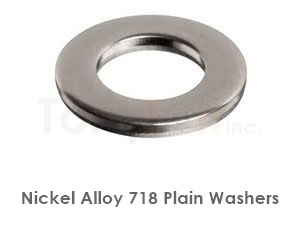
Hastelloy B2 Flat Washer

Hastelloy B2 Flat & Belleville Washers

Through-hardened washers engineered to distribute preload pressure uniformly, preventing flange micro-pitting and creeping under fluctuating temperatures.

Standards: ASME B18.21.1, DIN 125, ISO 7089
Technical Dimensions
Custom Configurations: Socket Head Cap Screws Threaded Rods Countersunk Screws Engineered Flange Studs Slotted Machine Screws Custom CNC Drawings
Metallurgical Authority

Hastelloy B2 Technical Specifications & Chemical Architecture

The superior corrosion immunity of Hastelloy B2 stems from its precise nickel-molybdenum ratio coupled with tight restrictions on carbon and silicon. Understand how UNS N10665 delivers critical performance benefits over alternative nickel superalloys in pure reducing environments.

Hastelloy B2 (UNS N10665 / 2.4617) Chemical Composition (%) & Mechanical Properties
Element / Metric ASTM B335 / B574 Limits TorqBolt Controlled Target Mechanical Property Annealed Bar Stock Specification
Nickel (Ni) Remainder (min. 66.0%) Bal. (~67.5% - 69.0%) Tensile Strength (Rm) ≥ 760 MPa (110 ksi)
Molybdenum (Mo) 26.0 - 30.0% 28.0 - 29.5% Yield Strength (0.2% Offset) ≥ 350 MPa (51 ksi)
Iron (Fe) ≤ 2.0% 1.0 - 1.5% Elongation in 2 in. (4D) ≥ 40%
Chromium (Cr) ≤ 1.0% ≤ 0.6% Hardness (Rockwell B) ≤ 100 HRB
Cobalt (Co) ≤ 1.0% ≤ 0.4% Density 9.22 g/cm³ (0.333 lb/in³)
Carbon (C) ≤ 0.01% ≤ 0.005% (Ultra-Low) Melting Range 1330°C - 1380°C (2425°F - 2515°F)
Silicon (Si) ≤ 0.10% ≤ 0.03% Poisson's Ratio 0.32

Critical Engineering Note: Hastelloy B2 contains minimal chromium (<1.0%). Consequently, fasteners must never be installed in processes contaminated with ferric chloride, cupric ions, or dissolved oxygen, which act as oxidizing agents causing rapid corrosion. For mixed oxidizing/reducing streams, consider Hastelloy C276.

Exotic Alloy Fabrication

Advanced Manufacturing Methodologies for Hastelloy B2

Hastelloy B2 work-hardens exceptionally quickly, possesses low thermal conductivity, and exhibits high shear resistance during cutting. Processing this alloy demands precision tooling, optimized feeds, and strictly controlled thermodynamic cycles.

Controlled Hot Forging

Headed at tightly calibrated induction temperatures (1150°C - 1200°C) with immediate rapid water quenching to ensure carbide and intermetallic grain-boundary dissolution.

Rigid CNC Machining

Machined using heavy-duty carbide tooling, positive rake geometries, and high-pressure flood coolant to eliminate strain hardening and surface work distortion.

Precision Thread Rolling

Burnished rolled threads preserve uninterrupted grain flow across root radii, maximizing dynamic fatigue thresholds and suppressing micro-notch initiation.

Metallurgical Validation

Every batch undergoes Positive Material Identification (PMI), microstructure grain analysis, and full mechanical stress verification traceable to individual ingot heats.

Our Production & Quality Protocol

Spec Audit

ASME/DIN code review

Melt Source

VIM-ESR certified bar

Forming

Induction forge / CNC

Annealing

1065°C solution anneal

Thread Roll

High-tensile burnishing

Laboratory

PMI, tensile, hardness

3.1 Release

Export casing & ship

Severe Applications

Where Hastelloy B2 Bolting Is Indispensable

In operating environments where steel, titanium, or standard grades of stainless fail within hours, TorqBolt Hastelloy B2 fasteners safeguard industrial pressure boundaries from disastrous chemical release.

Hydrochloric Acid Synthesis

Handling wet HCl gas, aqueous muriatic acid, and pickling acid lines across full concentration ranges.

Chemical Alkylation Units

Resisting pure sulfuric acid catalysts in petroleum refining and petrochemical alkylation reaction columns.

Acetic Acid Production

Operating inside monomer synthesis reactors and reboilers utilizing high concentrations of organic acetic media.

Pharmaceutical Synthesis

Flange fixings in API batch reactors employing anhydrous acidic catalysts demanding zero metal ion leakage.

Enterprise Procurement Checklist

How to Specify Hastelloy B2 Bolting Without Ambiguity

Incomplete requests for quotation (RFQs) can introduce significant lead time delays and engineering discrepancies. Utilize this authoritative procurement matrix to submit a fully defined specification package.

Material Grade
Hastelloy B2 (UNS N10665 / Werkstoff 2.4617)
Manufacturing Standard
ASTM B335 / B574, ASME B18.2.1, DIN 931, or Client Drawing
Thread Configuration
UNC, UNF, Metric Coarse/Fine, Class 2A/2B fit (Rolled preferred)
Heat Treatment State
Solution Annealed (Rapid Quenched from min. 1065°C / 1950°F)
Anti-Galling Treatment
PTFE, Xylan 1070, MoS2 Dry Lubricant, or Electro-Passivated
Inspection & Testing
PMI, Intergranular Corrosion (ASTM G28), Tensile, Hardness
Certification Scope
EN 10204 Type 3.1 as standard; Third-Party 3.2 Witnessed

The TorqBolt Advantage

Established in 2010, TorqBolt Inc. is a premier global manufacturer dedicated exclusively to complex nickel alloys, super duplex, and refractory fastener engineering. Our integrated manufacturing center in Rajkot, Gujarat, alongside corporate sales and logistics headquarters in Mumbai, ensures your mission-critical project is backed by comprehensive metallurgical competence.

Head OfficeMira Road East, Mumbai, India
Manufacturing PlantRajkot, Gujarat, India
Quality AssuranceISO 9001:2015 Accredited
Global RecognitionPED 2014/68/EU (TUV Rheinland)
Technical FAQ

Frequently Asked Questions: Hastelloy B2 Fasteners

What operational environments specifically mandate Hastelloy B2 fasteners over Hastelloy C276?
Hastelloy B2 (UNS N10665) is engineered specifically for pure non-oxidizing reducing environments, primarily hydrochloric acid (HCl) at all concentrations up to the boiling point, dry hydrogen chloride gas, sulfuric acid, and acetic acid. Hastelloy C276 contains substantial chromium (~16%) for resistance to oxidizing media, but its molybdenum content (~16%) is much lower than B2's (~28%). Consequently, in pure, hot reducing hydrochloric acid, B2 offers far superior resistance. However, if ferric, cupric, or dissolved oxygen contaminants enter the stream, B2 will corrode rapidly, whereas C276 remains stable.
Why are rolled threads required for Hastelloy B2 stud bolts instead of cut threads?
Hastelloy B2 is an austenitic nickel-molybdenum alloy that work-hardens rapidly. Cold thread rolling displaces metal plastically, producing a smooth, burnished thread root with continuous grain boundaries aligned along the thread contours. This cold working introduces beneficial compressive residual surface stress and eliminates mechanical micro-notches. Conversely, single-point cut threads shear across the grains, creating micro-tears that can serve as catastrophic initiation sites for chloride-induced stress corrosion cracking (SCC).
Can Hastelloy B2 fasteners be deployed in high-temperature steam lines?
No. Hastelloy B2 is strictly unsuited for sustained elevated temperatures between 550°C and 850°C (1000°F - 1560°F). Within this temperature window, the alloy rapidly precipitates intermetallic phases such as Ni4Mo and Ni3Mo, which cause severe embrittlement and drastically lower ductility. For high-temperature structural bolting, alloys such as Inconel 718 or Waspaloy are recommended.
What mill certification is mandatory for Hastelloy B2 fasteners in European pressure projects?
Under the European Pressure Equipment Directive (PED 2014/68/EU), all pressure-retaining bolting must originate from an accredited manufacturer with certified mill test reports conforming to EN 10204 Type 3.1. TorqBolt fulfills this requirement as standard, detailing complete chemical heats, mechanical tensile testing, elongation, and Rockwell hardness. For high-hazard installations, third-party witnessed EN 10204 Type 3.2 certification is arranged through inspection authorities such as TUV Rheinland, DNV, or Bureau Veritas.
How does TorqBolt mitigate galling during installation of Hastelloy B2 bolting sets?
Nickel alloys are exceptionally susceptible to adhesive wear (galling) when identical compositions are mated under intense clamping loads. TorqBolt solves this by maintaining tight thread pitch tolerances, inducing differential hardness between studs and heavy hex nuts through tailored thermal treatments, and offering anti-friction surface coatings including PTFE fluoropolymer (Xylan) or molybdenum disulfide (MoS2) dry-film coatings.

Secure Your Hastelloy B2 Fastener Supply Today

Connect directly with TorqBolt's exotic alloy engineering desk. Receive verified pricing, technical compliance reviews, and certified EN 10204 documentation tailored to your exact piping and pressure vessel schedule.

Contact Us
Contact Us