Duplex 2205 Fasteners are selected for more than their strength rating. Their performance depends on the environment, the joint design, and the installation details. A bolt exposed to chloride spray may face a different risk than one used indoors. Small choices matter.
Grade identification is a practical starting point. Confirm the material certificate, dimensions, thread form, and applicable product specification before ordering. Then consider operating temperature, chemical exposure, crevice formation, and contact with other metals. The word “duplex” alone is not enough.
Installation deserves equal attention. A damaged thread, unsuitable lubricant, or excessive tightening can undermine an otherwise appropriate fastener. Check the manufacturer’s guidance and coordinate fastener selection with the connected components. If the service conditions are unclear, pause and seek qualified materials advice. That extra step can prevent costly rework.
A named expert quotation should add genuine authority, not merely decorate an article. Since no verifiable interview or source was provided, I have not attributed a quotation to a real person. That limitation matters. For this guide, the useful principle is straightforward: match the fastener to the actual service conditions, then verify the details before installation.
The following seven tips examine grade verification, corrosion exposure, mechanical requirements, compatibility, sourcing, installation, and inspection. They are practical checks, not a substitute for project-specific engineering review. Duplex 2205 Fasteners can be a strong choice, but only when the full application is understood.
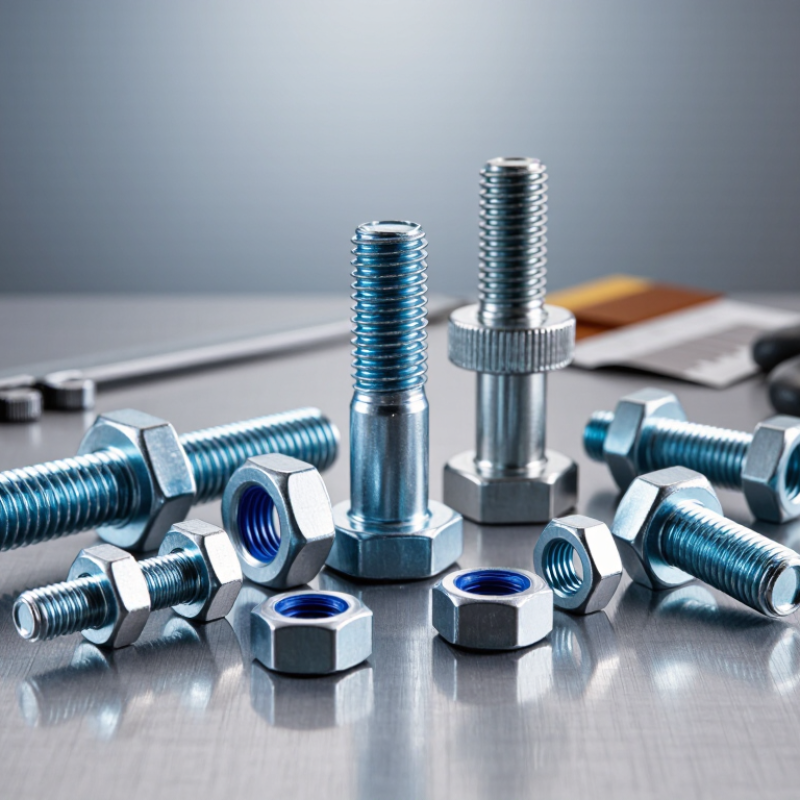
Duplex 2205 is a stainless steel with a two-phase microstructure: ferrite and austenite. It typically contains about 22% chromium, along with molybdenum and nitrogen. This structure gives it higher strength than many common austenitic stainless steels. It also provides useful resistance to pitting and chloride stress corrosion cracking. Not immunity, though. Heat, concentration, crevices, and surface condition still matter.
These properties make 2205 fasteners worth considering for pumps, marine equipment, and process piping exposed to chloride-bearing fluids. A bolt near a gasket can face a harsher environment than one in open air. Match the fastener to the actual temperature, fluid, and contact materials. Mixed-metal assemblies can create compatibility concerns, and tight crevices may encourage localized corrosion. The alloy is capable, but it is not a universal fix.
Selection also depends on how the fastener was made and finished. Check the specified grade, mechanical properties, thread condition, and material documentation rather than relying on the alloy name alone. During installation, galling can be a concern, especially when threads are dry or over-tightened. Use an approved lubricant when suitable, and follow the joint’s torque requirements. Small details count. I would still review the service conditions with a corrosion specialist when exposure is unusual; a neat datasheet cannot describe every field failure.
Before specifying duplex 2205 fasteners, map the wet chemistry at the joint—not just the plant’s general environment. Record chloride concentration, pH, temperature, oxygen, and whether deposits or stagnant liquid can collect beneath washers. Salt spray outdoors differs from warm, concentrated brine trapped in a blind hole. Small crevices matter. Include cleaning chemicals, shutdown cycles, and occasional spills; brief exposure can be harsher than steady operation. Field logs and process-fluid analyses are more useful than a generic “marine-grade” label. NACE International’s 2016 IMPACT study estimated corrosion costs at US$2.5 trillion annually, about 3.4% of global GDP. It also reported that applying corrosion-control practices could save 15–35% of those costs. These are broad economic estimates, not guarantees of 2205 performance.
Compare measured conditions with qualified alloy data and the fastener’s exact geometry. Ask for test conditions, including chloride level, temperature, exposure time, and crevice configuration. ASTM G48 testing can help screen pitting and crevice-corrosion resistance, but laboratory results alone cannot predict service life. Check preload, tensile stress, galling risk, and contact with dissimilar metals; these details are easy to overlook. At hot, chloride-rich joints, obtain a corrosion review before finalizing the grade. Do not assume. I would question any specification based only on a datasheet. Real deposits and maintenance gaps rarely match a clean test coupon.
Choosing a duplex 2205 fastener starts with the load, not the alloy name. Check the design load, joint thickness, and expected vibration before selecting a diameter or thread. A stronger fastener is not automatically safer if the connected parts cannot carry the load.
Confirm the required grade and product specification on the material certificate. Duplex 2205 may be identified as UNS S32205 or S31803, but these designations are not always interchangeable in every specification. Verify the permitted chemistry and mechanical properties for the finished fastener, not just its raw material. Ask for traceable documentation when service conditions are demanding. Details matter.
Match the fastener type to the joint. Bolts suit accessible assemblies; studs can help where frequent removal or limited clearance is expected. Select nuts and washers for compatible strength and corrosion performance, too. In chloride exposure, crevices beneath washers can become trouble spots. Consider the full assembly, including the mating material and installation method. Duplex stainless steel can gall during tightening, so controlled lubrication and a suitable tightening procedure may be needed. I would not assume a familiar torque value applies unchanged; confirm it for the actual fastener, coating, and joint.
7 Tips for Choosing Duplex 2205 Fasteners
Checking Dimensions, Threads, and Material Compatibility
Measure the grip length, shank diameter, head clearance, and hole depth against the assembly drawing. Check thread pitch and form, not just nominal diameter. ASME B1.1 covers Unified inch threads; ISO 965 covers metric thread tolerances. Keep the fastener and mating part on the same thread system. A small mismatch can damage threads during tightening. ASTM A240/A240M specifies minimum 0.2% proof strength of 450 MPa and tensile strength of 655 MPa for UNS S32205 plate. These are plate values, not guaranteed fastener properties. Verify the fastener’s product specification and material certificate.
Material compatibility needs equal care. The International Molybdenum Association’s Practical Guidelines for the Fabrication of Duplex Stainless Steels describe duplex grades’ corrosion behavior and fabrication considerations. Grade 2205 offers strong chloride resistance, but deposits and tight crevices can still create corrosion risks. Check the mating material, surface finish, coatings, and service environment, especially where moisture can collect. Dissimilar-metal contact may accelerate corrosion of the less noble component. Confirm grade identification through traceable documentation; appearance alone is unreliable. It is easy to overlook washer material. That detail deserves another check.
Common Unified National Coarse (UNC) thread sizes and their standard pitches, expressed in threads per inch (TPI).
Use the chart to check thread pitch against the mating part, then confirm the fastener’s nominal diameter, length, thread class, and engagement. For Duplex 2205, also verify that the mating material and service environment are suitable for the application.
7 Tips for Choosing Duplex 2205 Fasteners
Quality checks should begin with the purchase documents, not the shiny surface of a bolt. Confirm the specified grade, such as UNS S32205 or S31803, and verify that the product standard actually covers the fastener form. A bar standard alone may not establish finished-fastener properties. Check the certificate for heat number, chemical composition, mechanical results, and clear traceability to the delivered parts. Look closely. Missing links matter.
A certificate can appear complete while leaving the service conditions unclear. Compare its reported values with the project specification, including strength requirements and any required corrosion testing. If the application involves warm chloride exposure, ask a qualified materials specialist to review suitability; “duplex” does not mean immune to every environment. I would not rely on a generic grade label alone. That shortcut is tempting, but it can hide a mismatch.
Installation deserves equal care. Keep threads clean and free from grit, and use compatible lubricant when the design permits it. Stainless fasteners can gall during tightening, especially when threads are dry or driven quickly. Use a controlled tightening method and torque values approved for the actual fastener, coating, lubricant, and joint; copied torque tables can mislead. Avoid contaminating parts with carbon-steel grinding dust. Record the installed lot and inspection findings, even if the paperwork feels repetitive. It helps later.
Record chloride level, pH, temperature, and oxygen near the joint. Check for trapped liquid, deposits, cleaning chemicals, and shutdown cycles. Small crevices matter.
No. Salt spray differs from warm brine trapped beneath a washer. Use process-fluid tests and field logs where available.
They can help compare pitting and crevice resistance under stated conditions. They cannot guarantee service life. Real joints collect deposits and have maintenance gaps.
Check the material certificate, finished-fastener properties, and required specification. UNS S32205 and S31803 designations may not be interchangeable under every specification. Verify the details.
Consider access, joint thickness, vibration, and removal needs. Bolts suit accessible assemblies; studs may help where clearance is limited.
Check their strength and corrosion performance as part of the full assembly. Crevices under washers can collect chloride-rich liquid.
Not without checking. Duplex stainless steel can gall during tightening. Confirm the procedure for the actual fastener, coating, and joint.
Ask for one at hot, chloride-rich joints or when deposits and stagnant liquid are likely. I would question a choice based only on a datasheet.
Choosing the right Duplex 2205 Fasteners starts with understanding the material and the demands of the application. Duplex 2205 combines strength with corrosion resistance, but performance depends on the environment and operating conditions. Consider exposure to moisture, chemicals, temperature changes, and mechanical loads before selecting a fastener. Then match its strength, grade, and type to the job, taking into account how the assembly will be loaded and maintained.
Before purchase and installation, check that dimensions and thread specifications fit the mating components, and confirm that connected materials are compatible. Review relevant quality requirements and product documentation so the fasteners meet the needs of the project. Proper handling and installation also matter: use suitable tools and procedures, avoid damaging threads, and follow the assembly requirements. A careful selection process helps support reliable performance and a durable connection.