
China Best Petrochemical Fasteners Manufacturers & Suppliers

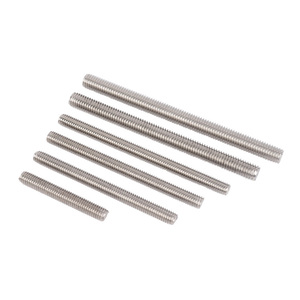
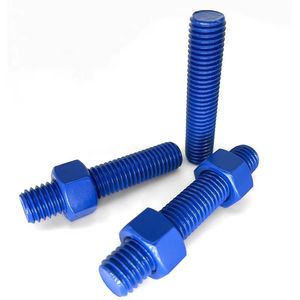
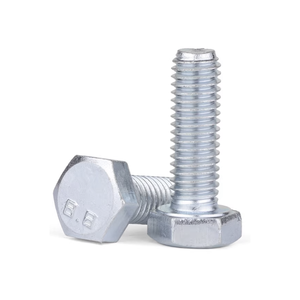
World-Class Heavy Hex Bolts, Stud Bolts, Exotic Superalloy Fasteners & Fluoropolymer Anti-Corrosion Solutions Engineered for Severe Refining & Subsea Environments

API 20E / API 20F & ASTM Compliant Bolting

High-Integrity Petrochemical Fasteners Catalog

Formulated to eliminate hydrogen embrittlement, chloride stress corrosion cracking, and catastrophic pressure flange blowout in sour hydrocarbons and high-temperature processing units.
Need engineered drawings, non-standard metric/imperial pitches, or custom metallurgical melts? Get a Quote
100%
Traceable Melt Heats
EN 10204 3.1 & 3.2 Third-Party Inspection
<22 HRC
NACE MR0175 Compliance
Strict Hardness Windows for Sour Service
3,000+ hrs
Salt-Spray Corrosion Resistance
ASTM B117 Tested PTFE & Zinc-Nickel Plating
0-Defect
Eddy Current & MPI Inspection
PED 2014/68/EU & ISO 9001:2015 Approved
Engineering Whitepaper & Procurement Directive

Integrity-Critical Bolting for Severe Petrochemical & Refining Services

A technical treatise on metallurgical selection, stress corrosion cracking mitigation, and lifecycle optimization across global midstream and downstream infrastructure.

1. Metallurgical Foundations and Petrochemical Failure Mechanics

Petrochemical refining, LNG liquefaction, offshore production, and high-pressure chemical synthetics represent the most demanding operational envelopes encountered by mechanical fasteners. Unlike standard civil engineering structural bolting, petrochemical bolting operates under multi-axial mechanical stress, cyclic thermal shocks ranging from cryogenic liquid nitrogen temperatures (-196°C) up to hydrocracker reforming thresholds (+650°C), and chemically aggressive atmospheres saturated with hydrogen sulfide (H2S), dry and wet chlorine, sour crude condensates, and carbon dioxide.

Failure analysis across global refining facilities reveals that over 78% of catastrophic bolted joint leaks and flange disconnections stem not from pure mechanical tensile rupture, but from environmental embrittlement phenomena. The two most destructive mechanisms are:

  • Sulfide Stress Cracking (SSC) and Hydrogen Embrittlement: Under sour service conditions (H2S-bearing crude and natural gas), atomic hydrogen generated by electrochemical corrosion diffuses into the crystal lattice of high-tensile fasteners. If the material's bulk hardness exceeds Rockwell C 22 (22 HRC / 250 HBW), atomic hydrogen clusters at triaxial tensile stress concentrators (such as thread roots and the under-head transition fillet), propagating rapid, non-ductile subcritical cracking with catastrophic zero-warning failure.
  • Chloride Stress Corrosion Cracking (CSCC): Austenitic stainless steels like standard AISI 304 and 316, when operating above 60°C in coastal or offshore marine environments with airborne salt spray, undergo rapid transgranular micro-fissuring through passive chromium oxide breakdown.
Critical Design Imperative: Petrochemical flange bolting design requires strict adherence to ASME Section VIII Division 1 & 2, ASME B16.5, ASME B31.3, API 6A, API 20E (alloy steel and carbon steel bolting for use in the petroleum and natural gas industries), and API 20F (corrosion-resistant bolting). Compliance mandates not merely dimensional precision, but 100% heat-traceable vacuum induction melted (VIM) or electroslag remelted (ESR) billets with controlled microstructural cleanliness.

2. Metallurgical Matrix: Alloy Selection for Critical Refining Systems

Selecting the optimal fastener alloy is fundamentally an exercise in balancing yield strength, fracture toughness (Charpy V-Notch impacts at sub-zero temperatures), pitting resistance equivalent numbers (PREN), and galvanic isolation compatibility. The table below outlines standard petrochemical bolting grades manufactured in our specialized facilities:

Material Grade & Designation UNS / Standard Yield Strength (Min, MPa) Operational Temp Window Target Petrochemical Service Application
ASTM A193 B7 / A194 2H AISI 4140/4142 Cr-Mo 725 MPa -29°C to +427°C High-pressure steam lines, hydrotreating columns, hydrocarbon distribution flanges.
ASTM A193 B7M / A194 2HM AISI 4140 Modified 550 MPa (Controlled ≤22 HRC) -29°C to +427°C NACE MR0175 / ISO 15156 Sour Service with H2S exposure risk.
ASTM A320 L7 / L7M / Gr. 4 AISI 4340 Ni-Cr-Mo 725 / 550 MPa -101°C to +400°C LPG/LNG gas processing plants, refrigeration headers, Arctic exploration installations.
ASTM A193 B8 Cl. 2 / B8M Cl. 2 AISI 304 / 316 Strain Hardened 655 MPa -196°C to +538°C Cryogenic liquified gas storage, acid injection skids, marine chemical handling.
Duplex 2205 / Super Duplex 2507 UNS S32205 / S32750 450 - 550 MPa -50°C to +280°C Seawater cooling loops, offshore firewater systems, sour gas scrubbers (PREN ≥ 42).
Inconel 718 / Inconel 625 UNS N07718 / N06625 1,034 / 415 MPa -250°C to +705°C High-pressure sour gas wellheads (API 6A CRA), catalytic reforming, gas turbine casings.
Hastelloy C-276 UNS N10276 355 MPa -196°C to +500°C Wet chlorine gas, sulfuric acid, hypochlorite, and severe acetic acid synthesis.

3. Surface Engineering: Advanced Fluoropolymer & Electroplated Barriers

In petrochemical processing, mechanical galling and atmospheric oxidation destroy bolt threads, leading to erratic preloads and catastrophic thread seizure during scheduled maintenance turnarounds. Flame cutting a seized bolt in an explosive hydrocarbon zone requires nitrogen purging, complex safety permits, and costs operators tens of thousands of dollars per hour in downtime.

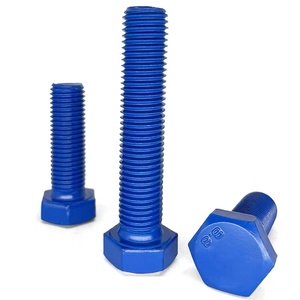
Our surface engineering line applies PTFE Fluorocarbon (Xylan® / Fluoropolymer) Coating Systems, engineered to solve this vulnerability:

  • Friction Coefficient Stabilization: Raw steel-on-steel or stainless-on-stainless thread friction coefficients fluctuate between μ = 0.18 and μ = 0.35, resulting in massive clamping force scatter under torque-controlled tightening. Our PTFE multi-tier coatings maintain an ultra-stable friction coefficient (μ = 0.10 – 0.12), ensuring that applied torque translates directly and reproducibly into designed axial clamping tension.
  • Multi-Layer Sacrificial Architecture: High-performance coatings combine a zinc-nickel or zinc-phosphate basecoat with a thermosetting fluoropolymer topcoat. This duplex barrier withstands over 3,000 to 5,000 hours of 5% neutral salt spray testing (ASTM B117) without red rust, completely isolating the steel substrate from external chemical attack and galvanic cell formation.

4. Strategic Procurement Trends in Global Petrochemical Fasteners (2025–2035)

The global energy landscape is undergoing profound transformations. Chemical processors and EPC mega-contractors are overhauling their supply chain procurement strategies to address geopolitical supply risks, stringent Scope 3 emissions tracing, and tighter safety mandates.

Supply Chain De-Risking & Direct Tier-1 Sourcing

Global operators are bypassing intermediate distributors to form direct manufacturer partnerships with fully accredited Chinese mills, securing guaranteed lead times, direct metallurgical accountability, and project-specific safety stock allocations.

Digitized Traceability & Material Passports

Manual paperwork is being replaced by cloud-verified digital inspection passports. Fasteners are increasingly marked with 2D micro-matrix laser codes linking directly to original melt analyses, heat treatment charts, and mechanical test batches.

Decarbonization & Green Steel Mandates

Driven by EU CBAM regulations and corporate Net-Zero commitments, EPC contractors demand transparent Life Cycle Assessments (LCA) and prioritize fasteners manufactured via electric arc furnaces (EAF) utilizing low-carbon circular steel billets.

5. Technological Development Trends: Engineering the Next Generation of Bolting

As operating parameters push toward deeper offshore depths (15,000+ psi reservoirs), ultra-deep sour gas fields, and emerging blue/green hydrogen transport, fastener engineering must advance rapidly:

A. High-Entropy Alloys (HEA) and Nanostructured Fasteners

Next-generation exploration environments combine hydrogen embrittlement risks with high temperatures that exceed the physical capabilities of conventional nickel alloys. Emerging multi-principal component alloys (High-Entropy Alloys) provide unprecedented work-hardening exponents and fracture toughness down to -269°C, offering zero susceptibility to hydrogen permeation.

B. Smart Bolting with Integrated Ultrasonic & RFID Preload Sensors

To eliminate manual hydraulic tensioning checks during turnarounds, smart fasteners embedded with miniaturized piezoelectric transducers allow maintenance personnel to instantly read residual clamp load and bolt stretch via non-destructive acoustic time-of-flight (ToF) wireless scanners.

C. Additive Manufacturing of Exotic Geometry Components

Selective Laser Melting (SLM) and Direct Energy Deposition (DED) are moving from prototyping to certified short-run production of specialized high-temperature nozzle fasteners, internal reactor clamps, and custom valve studs in Hastelloy and Monel alloys, reducing turnaround emergency lead times from 16 weeks to 48 hours.

6. Manufacturing Prowess & Enterprise Authority

With state-of-the-art manufacturing plants located in specialized industrial heavy equipment hubs, our manufacturing ecosystem brings decades of metallurgical expertise to the world's most critical energy infrastructure projects. Combining hot forging, cold heading, and precision 5-axis CNC machining, we operate under a rigorous quality management system certified to ISO 9001:2015 and PED 2014/68/EU (Pressure Equipment Directive approved by TÜV Rheinland).

Full Melt Traceability (EN 10204 3.1 & 3.2)

Every fastener is serialized back to its original steel mill melt heat. We supply comprehensive EN 10204 3.1 inspection documentation as standard, with independent 3.2 witnessed inspections available via Lloyd's Register, DNV, TÜV, and Bureau Veritas.

Exotic Superalloy Machining Expertise

Unmatched capability in working work-hardening superalloys: Inconel 718/625, Hastelloy C276/B2, Monel 400/K500, Titanium Gr. 2/Gr. 5, Copper-Nickel 70/30, and high-strength precipitation-hardening 17-4 PH / 15-5 PH stainless steels.

Rigorous In-House Testing Laboratory

Our CNAS-accredited physical and chemical testing laboratory performs 100% Positive Material Identification (PMI), Charpy V-notch impacts down to -196°C, tensile yield testing, micro-hardness traverse profiling, and ASTM G48 pitting corrosion evaluations.

Purchasing & Engineering Intelligence

Frequently Asked Questions on Petrochemical Fasteners

Comprehensive answers addressing metallurgical compliance, quality assurance, logistics, and sour service engineering specifications.

What specific quality documentation is provided with our fastener shipments?
Every shipment is accompanied by a comprehensive EN 10204 Type 3.1 Inspection Certificate linking physical parts directly to raw melt heats. Documentation includes complete chemical spectrographic analysis, mechanical tensile and yield test results, elongation and reduction of area, Charpy V-Notch impact values at specified design temperatures, bulk and surface Rockwell/Brinell hardness test reports, Positive Material Identification (PMI) logs, and surface coating thickness/adhesion verification reports. Third-party witnessed EN 10204 Type 3.2 certificates (DNV, TÜV, ABS, Lloyd's) can be executed upon project order.
How do you guarantee fasteners comply with NACE MR0175 / ISO 15156 sour service?
Compliance with NACE MR0175 / ISO 15156 requires precise control of steel chemistry and post-forging heat treatment. For ASTM A193 Grade B7M and A320 Grade L7M studs, fasteners undergo specialized austenitizing followed by controlled liquid quenching and prolonged high-temperature tempering (minimum tempering temperature of 620°C / 1150°F). Each individual batch is subjected to 100% surface and core hardness testing to ensure values remain strictly between 99 HRB and 22 HRC (maximum 250 HBW / 248 HV), completely eliminating susceptibility to sulfide stress corrosion cracking in wet sour H2S environments.
What are the key technical differences between ASTM A193 B7 and A320 L7 fasteners?
While both grades utilize chromium-molybdenum alloy steels heat-treated to an identical minimum tensile strength of 860 MPa (125 ksi) and minimum yield strength of 725 MPa (105 ksi), their impact toughness testing regimes differ dramatically. ASTM A193 B7 is engineered primarily for elevated-temperature service (up to 427°C) and requires no mandatory sub-zero impact testing. Conversely, ASTM A320 L7 is designed specifically for low-temperature service down to -101°C (-150°F) and legally mandates Charpy V-Notch impact testing at or below -101°C, requiring a minimum absorbed energy of 27 J (20 ft-lbs) to prevent brittle fracture in cryogenic gas processing units.
Why choose PTFE/Xylan fluoropolymer coating over traditional Hot-Dip Galvanizing (HDG)?
Hot-dip galvanizing produces an irregular coating thickness (typically 45–65 microns) that requires oversize tapping of hex nuts, weakening the thread engagement shear strength. Furthermore, HDG on high-strength steels (≥1000 MPa) presents significant risk of hydrogen embrittlement during acid pickling. In contrast, PTFE fluorocarbon systems are applied via controlled spray-and-bake methods with a uniform thickness (20–30 microns) that preserves precise ASME Class 2A/2B thread engagement. PTFE exhibits extreme chemical resistance to acids and offshore salt fog, lowers friction to prevent galling during torquing, and enables rapid breakout disassembly without hot works or torch cutting.
Can you manufacture non-standard fasteners to custom engineering drawings and OEM specs?
Yes. In addition to standard imperial (ASME B18.2.1, ASME B18.2.2, ASTM A193/A194) and metric configurations (DIN 931, DIN 933, DIN 976, ISO 4014), over 35% of our production volume comprises custom engineering fasteners. Utilizing CNC multi-axis turning and milling centers, hot forging presses with custom dies, and precision thread rolling dies, we fabricate custom taper-threaded studs, 12-point ferry-head high-pressure bolts, heavy socket head caps, collar bolts, and heat exchanger tie rods in specialized corrosion-resistant superalloys based directly on CAD/STEP drawings.
What are the lead times for volume production orders and emergency plant turnarounds?
For standard stocked alloy bar stock (B7, 2H, B8, B8M, 2205), typical production and coating turnaround ranges between 2 to 3 weeks for full container loads (FCL). For critical shutdown, turnaround, and outage (STO) emergencies, our expedited quick-response unit can machine, heat-treat, coat, and air-freight emergency replacement studs within 72 to 96 hours, minimizing plant downtime.

Ready to Engineer Zero-Failure Bolting for Your Refinery Project?

Submit your specification sheets, drawings, and required MTC levels. Our Senior Petrochemical Metallurgists and Estimation Engineers provide comprehensive technical validation, torque calculations, and firm quotation pricing within 24 hours.

Get a Quote
Contact Us