Top Trusted Flange Bolting Factories & Exporters

API 20E/20F, ASTM A193/A320, & PED 2014/68/EU Precision Fastener Engineering for Extreme Petrochemical, Offshore Subsea, & Hydrogen Pipeline Infrastructure

100% Mill Heat Traceability
50+ Export Destinations
EN 10204 3.1 & 3.2 Inspection
0.02μm CNC Thread Tolerance
Engineered Catalog

Specialty Flange Bolting & Fastening Solutions

Directly forged and precision-machined in Rajkot and Mumbai. Certified for cryogenic pressure vessels, offshore high-salinity splash zones, and high-temperature hydrocarbon containment.

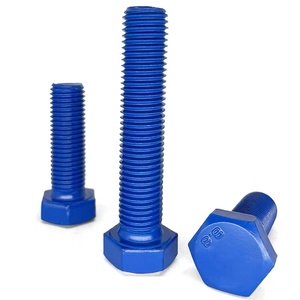
PTFE Coated Carbon Steel Grade 8.8 Hex Bolts
Marine Offshore

PTFE Coated Grade 8.8 Hex Bolts

Fluoropolymer fluorocarbon-barrier coating over Grade 8.8 steel, delivering 3,000+ hour ASTM B117 salt spray endurance and friction stability during torqueing.

ASTM A193 B7 / ISO 4014 | QAC Certified
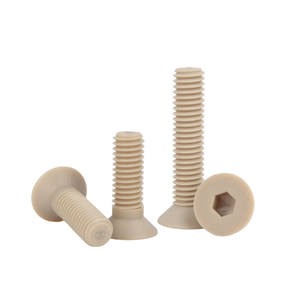
High Temperature PEEK Countersunk Hex Socket Screw
Semiconductor & Cleanroom

High-Temp PEEK Countersunk Bolts

Engineered thermoplastic PEEK fasteners for 260°C continuous thermal load, electrical isolation, and zero metal-ion contamination in etching or aggressive reagent lines.

Polyetheretherketone | Flat Head Metric
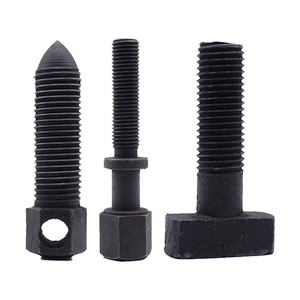
Non-Standard CNC Machined Hammer Head Bolts
Engineered Drawings

CNC Hammer Head Non-Standard Bolts

Custom multi-axis CNC milled T-head and hammer head anchor profiles tailored to turbine shell slots, heavy machinery baseplates, and proprietary reactor flanges.

Custom Geometries | Strict Runout Control
Hastelloy C276 C22 Fasteners for Acid Chemical Processing
Severe Acid Resistance

Hastelloy C-276 / C-22 Acid Bolting

Premium nickel-molybdenum-chromium alloy hardware for flue gas desulfurization systems, chlorine scrubbers, and offshore sour oil wells suffering wet halogen corrosion.

ASTM B574 / UNS N10276 | NACE MR0175
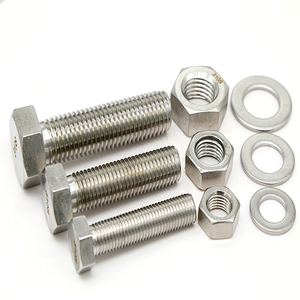
Carbon Steel Hexagon Bolts 12.9 Grade M36 Hex Bolt Hex Nut
Structural Pressure Duty

Grade 12.9 High-Tensile Heavy Bolts

Quenched and tempered alloy steel heavy bolts delivering 1220 MPa minimum tensile strength for high-clamp torque applications, hydraulic flanges, and heavy earthmoving joints.

ISO 898-1 | Sizes M24 to M100+ Heavy Hex

Engineering Beyond Fastening: Mitigating Catastrophic Bolting Failure in Critical Joints

In high-pressure bolted flange connections (BFCs) governed by ASME Section VIII, PCC-1, and EN 13445, fastener failure rarely stems from gross tensile rupture under static pressure. Instead, catastrophic failure occurs primarily through three metallurgical modes: stress corrosion cracking (SCC), hydrogen embrittlement (HE), and cyclic thermal relaxation at high service temperatures. Selecting an exporter and factory requires scrutinizing forging methodologies, continuous grain boundaries, thread form creation, and strict metallurgical heat treatments.

At TorqBolt Inc., with operating bases in Mumbai and Rajkot, India, our manufacturing protocol strictly addresses the micromechanics of bolting integrity. While standard commercial distributors machine threads by tearing metal fibers along bar stock, our hot forging and precision cold-heading lines utilize thread rolling under controlled servo-hydraulic feeds. Rolled threads retain uninterrupted metallurgical flow lines parallel to the bolt axis, boosting dynamic fatigue resistance by up to 35% compared to cut threads and eliminating micro-notches that act as primary initiation sites for chloride-induced pitting.

"A bolted joint is an engineered system composed of the flange face, gasket, and fastener. If the bolt's yield strength and thermal expansion coefficient are mismatched to cyclic loads, relaxation occurs, destroying gasket compression and inducing fugitive volatile organic chemical (VOC) releases."

For sour service environments characterized by wet H2S gas (NACE MR0175 / ISO 15156), bolt chemistry and hardness thresholds must be precisely controlled. Standard ASTM A193 Grade B7 bolts are restricted to maximum surface and core hardness values to prevent sulfide stress cracking (SSC). For severe marine and sour operations exceeding typical thresholds, super-austenitic nickel alloys like Inconel 718 (UNS N07718) and Incoloy 825 (UNS N08825) offer yield strengths exceeding 1000 MPa combined with exceptional resistance to environmental cracking, ensuring pipeline safety across multi-decade design lives.

Alloy Grade Standard UNS / Spec Yield Strength (Min, MPa) Temperature Range (°C) Critical Application Environment
Inconel 718 UNS N07718 / API 6A CRA 1,034 -250°C to +650°C Subsea wellheads, gas turbine casings, cryogenic manifolds
Super Duplex 2507 UNS S32750 / EN 1.4410 550 -50°C to +250°C Desalination plants, offshore topside piping, high chloride brine
Hastelloy C-276 UNS N10276 / ASTM B574 355 -196°C to +400°C Wet chlorine gas, sulfuric acid scrubbers, pickling operations
Incoloy 825 UNS N08825 / ISO 4017 240 Cryogenic to +540°C Phosphoric acid reactors, oil and gas sour gas gathering lines
Grade B7 / L7 PTFE ASTM A193 / ASTM A320 725 -100°C to +400°C Standard refinery flanges, offshore splash zones with salt spray
Industry Horizons

Emerging Trends in Global Flange Bolting Procurement

Navigating evolving project requirements: How hydrogen embrittlement control, digital metallurgy, and net-zero emissions are reshaping bolting specifications.

Hydrogen Pipeline Infrastructure Readiness

As gas grids transition to hydrogen blending and pure H2 transport, micro-atomic hydrogen diffusion poses a threat to standard high-strength bolting. EPC buyers now prioritize non-susceptible metallurgy—such as stabilized austenitic 316L, Incoloy 825, and modified alloy compositions—paired with low-friction coatings applied without acid pickling to eliminate hydrogen entry during manufacture.

Digital MTRs & Complete Traceability

Paper-based mill test reports are rapidly being replaced by encrypted, machine-readable digital documentation. Leading global projects mandate end-to-end QR/blockchain links etched directly onto stud bolt ends. This links field technicians instantly to origin melt furnaces, heat-treat furnace temperature charts, and EN 10204 3.1 chemical inspection certificates.

Consolidation to API 20E & API 20F Certified Exporters

Global operators (such as Saudi Aramco, ADNOC, Shell, and Chevron) continue tightening qualification audits, moving away from local non-certified jobbers. Procurement departments now contract exclusively with integrated forging mills that prove strict adherence to Bolting Specification Levels (BSL-1, BSL-2, and BSL-3), requiring 100% volumetric NDT and verified raw bar sourcing.

Manufacturing Innovation

State-of-the-Art Fastener Production Technologies

Continuous investments across our Rajkot plant transform raw ingots into certified flange bolting systems engineered for zero-leakage performance.

Precision Induction Hot Forging

Our programmable mid-frequency induction heating lines monitor billet temperatures within ±5°C before heading. This precision prevents abnormal grain growth in sensitive Super Duplex 2507 and Inconel grades, preserving structural toughness and avoiding the precipitation of intermetallic sigma (σ) or chi phases that undermine corrosion resistance.

Multi-Layer Barrier Coatings (PTFE / Ceramic)

We apply electrostatic thermoset PTFE fluoropolymer, Xylan®, and zinc-nickel basecoats with controlled layer thicknesses (20–45 μm). This uniform application prevents thread fit binding while delivering exceptional lubricity, tightening torque consistency (nut factor K = 0.12–0.14), and resistance to galvanic cell corrosion.

Robotic Coordinate Metrology & Thread Form Scanners

Thread pitch, pitch diameter, flank angle, and lead variation are measured on-line using non-contact optical laser sensors. This process ensures full compliance with ASME B1.1 Class 2A/2B and Class 3A fit standards, eliminating field cross-threading and galling during hydraulic bolt tensioning sequences.

Enterprise Advantage

Why EPCs & Global Procurement Trust TorqBolt Inc.

Operating since 2010, TorqBolt Inc. is a specialized global manufacturer and exporter of fasteners crafted from exotic nickel alloys, duplex steels, titanium, and high-tensile structural grades. With executive offices in Mumbai and automated manufacturing plants in Rajkot, Gujarat, we bridge metallurgical expertise with responsive export logistics.

TÜV PED 2014/68/EU Certified

Certified under the European Pressure Equipment Directive by TÜV Rheinland. Our fasteners meet the rigorous standards mandated for major pressure vessel and boiler installations across Europe and the UK.

In-House Metallurgical Testing

Every melt lot is tracked using thermo-scientific Niton XRF analyzers for positive material identification (PMI), alongside optical emission spectrometers, Charpy impact testers (-196°C), and Vickers/Rockwell hardness testers.

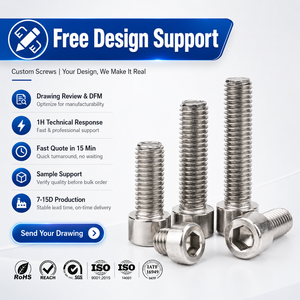
Full Custom Drawing Support

From low-volume non-standard hammer-head geometries to heavy diameter M100+ studs in Waspaloy, Monel 400, or Zeron 100, we specialize in delivering hard-to-source configurations on fast turnaround schedules.

TorqBolt maintains extensive billet stocks of raw Inconel 625, 718, Hastelloy C-276, and Super Duplex 32750 sourced from reputable primary melt mills. Every order includes standard EN 10204 3.1 Inspection Certificates containing full chemical ladle, tensile, impact, and heat-treatment logs, with EN 10204 3.2 Third-Party Inspection (Lloyds, DNV, BV, SGS, TÜV) readily provided upon request.

Procurement Knowledge Base

Frequently Asked Questions

Key metallurgical, testing, and logistics answers for piping and mechanical procurement teams.

What are the essential details required to receive a rapid, accurate flange bolting quote?

To generate an immediate, technically compliant commercial offer, please specify: (1) Material grade or UNS number (e.g., UNS S32750, ASTM A193 B7); (2) Dimensional standard and type (ASME B18.2.1 hex bolt, DIN 912 socket cap, fully threaded stud bolt per ASME B16.5); (3) Thread pitch and nominal diameter × length; (4) Protective coating requirements (HDG, electro-zinc, PTFE/Xylan fluoropolymer); (5) Inspection levels required (EN 10204 3.1 or third-party witnessed 3.2, NACE MR0175, Charpy V-notch); and (6) Total quantities including planned construction spares.

How does TorqBolt guarantee galling prevention on stainless and nickel alloy threads?

Cold welding and thread galling are common in austenitic and nickel alloys. We resolve this by ensuring precise thread flank geometry during rolling, holding strict surface finishes (Ra < 0.8 μm), utilizing differential hardness heat treatments between mating studs and heavy hex nuts (such as ASTM A194 Gr. 8M paired with hardened bolts), and providing anti-galling coatings such as silver plating, molybdenum disulfide (MoS2), or bonded PTFE fluoropolymers.

Can TorqBolt supply third-party witnessed inspection (EN 10204 3.2)?

Yes. While EN 10204 3.1 mill test certificates are provided as standard with every shipment, we routinely coordinate with accredited independent third-party inspection agencies (TPIAs)—including DNV GL, Lloyd's Register, Bureau Veritas, TÜV, and SGS. Independent inspectors verify raw material billets, observe mechanical and Charpy impact tests, audit heat treatment charts, and witness final stamping and dimensional checks before issuing formal 3.2 certification.

What are the critical distinctions between standard A193 B7 and A320 L7 bolting?

Although both share similar chemical base compositions (AISI 4140/4142 alloy steel) and basic tensile/yield requirements, ASTM A320 Grade L7 is designed specifically for low-temperature service down to -101°C (-150°F). A320 L7 mandates documented Charpy V-notch impact toughness testing at or below -101°C, absorbing at least 27 Joules (20 ft-lbf), whereas ASTM A193 B7 is engineered primarily for high-temperature and standard refinery flange operations without mandatory sub-zero impact validation.

How does TorqBolt protect fasteners during international transit to remote project sites?

Export packing integrity is critical to avoid thread impact damage or atmospheric oxidation. Every individual bolt and stud is rust-inhibited, with threaded zones fitted with high-density plastic caps or corrugated sleeves. Fasteners are sealed in moisture-barrier VCI plastic bags, packed in heavy-duty cardboard boxes, and secured inside ISPM-15 heat-treated, fumigated seaworthy wooden crates strapped with high-tensile steel bands.

Connect With Our Application Engineering Team

Looking for certified exotic alloy studs, heavy hex nuts, or bespoke CNC drawing bolting for mission-critical joints? Share your bill of materials (BOM) or specifications with TorqBolt's engineering specialists.

Get a Quote
Contact Us