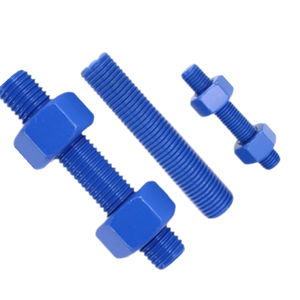
Xylan Blue Coated Bolts & Nuts | Custom Surface Treatments
Fluoropolymer-coated A193 B8M/B7 studs for low friction and maximum de-icing salt resistance.

Fully compliant with DIN, EN, ISO, and ASTM/ASME standards. All lots delivered with mill test certifications to EN 10204 Type 3.1 and optional 3.2 third-party inspection.
Fluoropolymer-coated A193 B8M/B7 studs for low friction and maximum de-icing salt resistance.
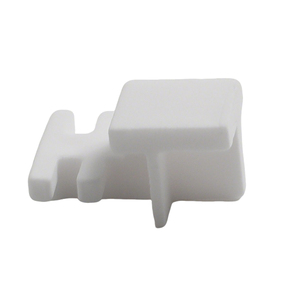
High-dielectric, high-temperature thermal barriers designed for industrial furnace elements.
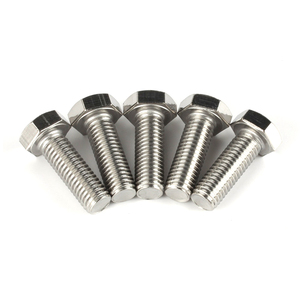
Super Duplex hardware (UNS S32750) providing yield strengths exceeding 550 MPa for Austrian paper processing.
AISI 316/316L (A4-70/A4-80) high-molybdenum structural bolts engineered for hydraulic machinery.
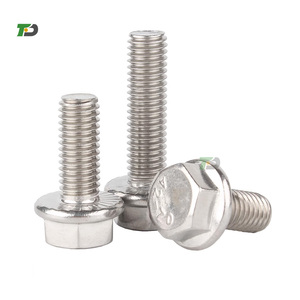
Precision CNC-turned and hot-forged custom fasteners built to client drawings and ÖNORM requirements.
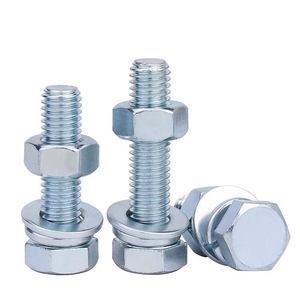
Heavy structural high-tensile hot-dip galvanized nuts engineered for primary civil construction.
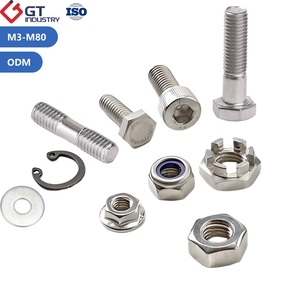
Nickel-chromium-molybdenum alloy bolting for Austrian chemical reactors, scrubbers, and pickling plants.
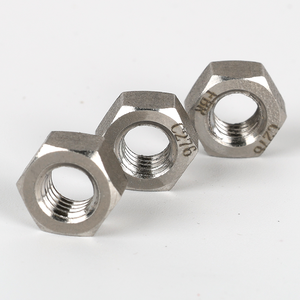
High tensile strength (>700 MPa) corrosion-resistant nuts designed to eliminate galling on high-alloy studs.
A rigorous engineering comparison between American high-pressure vessel standards and the European pressure piping regulatory framework (EN 10269 / PED).
Engineering Distinction: While Austrian projects frequently cite DIN EN 10269 (Grade 1.4401 / 1.4404) or ISO 3506-1 (Grade A4-70 / A4-80), multinational engineering contractors (EPCs) designing for pressure piping and API-rated refineries require ASTM A193 Grade B8M. Understanding the distinction between Class 1 (Carbide Solution Treated) and Class 2 (Strain Hardened) is paramount to preventing brittle failure or joint relaxation under cyclic thermal stress.
| Property / Parameter | ASTM A193 Grade B8M Class 1 | ASTM A193 Grade B8M Class 2 | EN 10269 Grade 1.4401 / 1.4404 | ISO 3506-1 Grade A4-70 |
|---|---|---|---|---|
| Base Material Metallurgy | AISI 316 (16-18% Cr, 10-14% Ni, 2-3% Mo) | AISI 316 Strain Hardened | X2CrNiMo17-12-2 / X5CrNiMo17-12-2 | Austenitic Acid-Proof Stainless |
| Heat Treatment State | Solution annealed, soft | Solution treated & strain hardened | Solution annealed (+AT) | Cold worked / strain drawn |
| Yield Strength Re / Rp0.2 (Min) | 205 MPa (30 ksi) | 450 - 650 MPa (65 - 95 ksi)* | 200 - 240 MPa | 450 MPa |
| Tensile Strength Rm (Min) | 515 MPa (75 ksi) | 620 - 760 MPa (90 - 110 ksi)* | 500 - 700 MPa | 700 MPa |
| Elongation A5 (Min) | 30% | 15% | 35% - 40% | 0.4d (approx 12-15%) |
| Recommended Mating Nut | ASTM A194 Grade 8M | ASTM A194 Grade 8M (Strain Hardened) | EN 10269 / EN ISO 4032 | ISO 3506-2 Grade A4-70 |
*Note: Class 2 mechanical properties scale inversely with nominal diameter. Consult TorqBolt engineering datasheets for diameters > 1-1/2".
Engineered to withstand specific Alpine climatic conditions, chemical exposure, and strict European pressure guidelines across Upper Austria, Lower Austria, Styria, and Carinthia.
Installed across run-of-river and high-head pumped-storage dams in the Tyrol and Salzburg regions. Class 2 B8M stud bolts resist severe cavitation pitting, hydraulic cycling shocks, and constant damp aeration in turbine scroll cases and penstock joints without risk of hydrogen embrittlement.
Crucial for facilities operating within the industrial hubs of Schwechat and Linz. Used on ASME B16.5 Class 150 to Class 600 flanged piping manifolds containing organic acids, sulfuric acid fractions, and hydrocarbon condensates where molybdenum content prevents catastrophic intergranular corrosion.
Austrian paper mills (e.g., Gratkorn, Pöls, Lenzing) deploy our A193 B8M bolting in digester systems, chlorine dioxide bleaching lines, and caustic recovery units. Molybdenum-bearing AISI 316 ensures resistance against aggressive wet chloride environments and acid sulfur recovery loops.
The decarbonization of heavy manufacturing in Central Europe is shifting metallurgical criteria from standard commercial grades to high-integrity, fully traceable specialty fasteners.
Austria's investments in electrolysis plants along the Danube require high-integrity B8M fasteners designed with controlled hardness to resist hydrogen-induced stress corrosion cracking (HISCC).
TÜV Austria and notified bodies require unequivocal proof of European Pressure Equipment Directive compliance. Mill-tested, PED-approved bar stock is now mandatory for imported pressure bolting.
Austrian operators are shifting away from cheap standard austenitic hardware. Strain-hardened Class 2 bolting provides longer mean time between maintenance (MTBM) in vibrating process skids.
Winter operating conditions in Austrian mountain infrastructure demand impact-tested A193 B8M fasteners capable of sustaining ductilities without notch sensitivity down to -196 °C.
Operating under stringent ISO 9001:2015 processes with verified TUV Rheinland PED 2014/68/EU approvals, we bridge the gap between Asian manufacturing scale and rigorous European engineering compliance.
Every shipment to Austria includes verified EN 10204 Type 3.1 certification. Chemical composition, mechanical tensile values, Charpy impact testing, and hardness are mapped directly back to the original melt heat number.
Our manufacturing plant in Rajkot features high-precision hydraulic thread rolling machines. Rolled threads retain uninterrupted grain flow, boosting the fatigue resistance of B8M Class 2 studs by up to 30% over cut threads.
From PTFE / Xylan blue fluoropolymer coatings for aggressive chemical skids to hot-dip galvanizing, electro-zinc, and electropolishing, all coatings are calibrated to maintain precise pitch diameters without thread binding.
Direct supply to Vienna, Linz, Graz, Salzburg, and Innsbruck. Speak directly with our metallurgical engineers to match your pressure rating, grade, and delivery schedule.
Contact UsAddressing local standards compliance, customs handling, and engineering tolerances when importing ASTM fasteners into Austria.