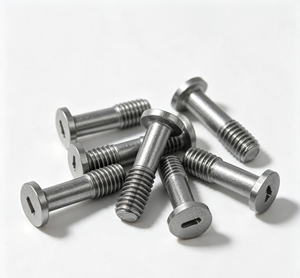
Molybdenum Thread Stud for Vacuum Sintering
High-temperature refractory moly fasteners offering exceptional structural rigidity and low vapor pressure up to 1700°C in vacuum furnaces.

Engineering premium Carpenter 20 (UNS N08020 / 2.4660) bolts, studs, nuts, and precision fixings. Delivering EN 10204 3.1 certified corrosion immunity for Poland's chemical processing, industrial desulfurization, and Baltic marine sectors.
From Carpenter 20 sulfuric acid-resistant fasteners to high-temperature nickel superalloys and refractory fixings, explore our export catalog engineered to DIN, ISO, and ASME standards.
High-temperature refractory moly fasteners offering exceptional structural rigidity and low vapor pressure up to 1700°C in vacuum furnaces.
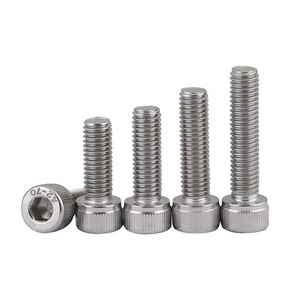
Precision cold-forged stainless steel Allen screws spanning M1.4 through M6 sizes. Ideal for chemical pumps, automation, and general equipment.
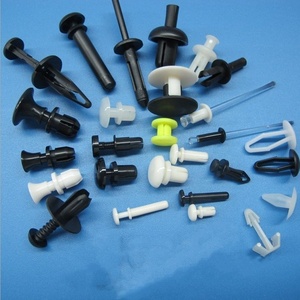
Engineered Polyamide 66 automotive push pin snap rivets, featuring non-conductive, vibration-dampening, and anti-corrosive latching capabilities.
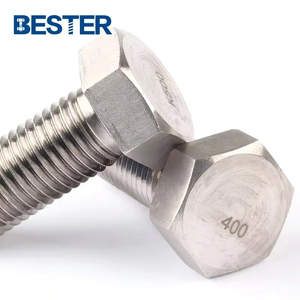
M20 UNS N04400 / N05500 high-tensile heavy hex bolts, designed for hydrochloric acid exposure, marine splash zones, and hydrofluoric acid alkylation.
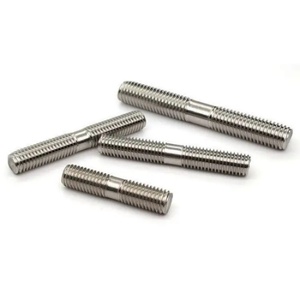
Precipitation-hardened UNS N07718 studs and nuts built to ASTM B637 and API 6A. Retains superior tensile yield integrity up to 650°C under severe mechanical stress.
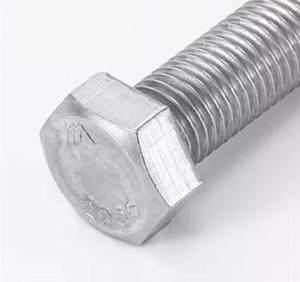
Comprehensive DIN 933 / 934 bolting packages across 316Ti, 2205, 2507, Hastelloy C276, and Alloy 20 for aggressive acid washdown systems.
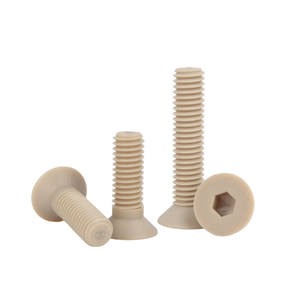
Ultra-pure polyetheretherketone metric flat-head socket screws rated to 260°C. Delivers complete galvanic insulation and total halogen resistance.
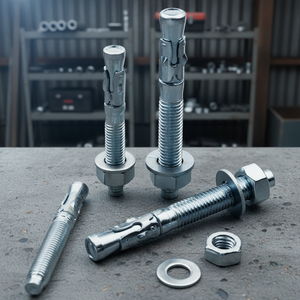
High-load DIN standard structural wedge anchors manufactured in zinc-galvanized carbon steel and austenitic alloys for plant infrastructure anchorage.
Alloy 20—standardized under UNS N08020, ASTM B473, and ASME SB473—is an austenitic, iron-base nickel superalloy developed explicitly to resist severe acid attack, particularly boiling sulfuric acid (H₂SO₄) across varying concentration curves. Unlike standard 316L stainless steel, which rapidly succumbs to transgranular stress corrosion cracking (SCC) in hot acidic chlorides, Alloy 20 incorporates a calibrated balance of 32–38% Nickel, 19–21% Chromium, 2–3% Molybdenum, and 3–4% Copper, stabilized with Niobium (Columbium) up to 8 times the Carbon content.
The strategic inclusion of copper provides unique passivating film protection in warm reducing acids, while niobium prevents chromium carbide precipitation at grain boundaries during hot heading or post-forging thermal cycles. This metallurgical balance makes Alloy 20 the industry benchmark for pressure boundary bolting, valve studs, and pump flange hardware operating under European PED 2014/68/EU regulations.
| Chemical Element | Alloy 20 (UNS N08020) % | Hastelloy C-276 (UNS N10276) % | Duplex 2205 (UNS S32205) % | 316L Stainless (UNS S31603) % |
|---|---|---|---|---|
| Nickel (Ni) | 32.00 – 38.00 | Remainder (~57.0) | 4.50 – 6.50 | 10.00 – 14.00 |
| Chromium (Cr) | 19.00 – 21.00 | 14.50 – 16.50 | 22.00 – 23.00 | 16.00 – 18.00 |
| Molybdenum (Mo) | 2.00 – 3.00 | 15.00 – 17.00 | 3.00 – 3.50 | 2.00 – 3.00 |
| Copper (Cu) | 3.00 – 4.00 | — | — | — |
| Columbium (Nb) + Ta | 8x C (1.00 max) | — | — | — |
| Iron (Fe) | Remainder (~35.0) | 4.00 – 7.00 | Remainder (~68.0) | Remainder (~68.0) |
| Key Advantage | Immunity to Hot H₂SO₄ Corrosion | Extreme Oxidizing Acid Resistance | High Yield Mechanical Strength | General Baseline Utility |
Our manufacturing facility applies rigid solution-annealing treatments (heating to 950°C–1150°C followed by controlled rapid water quenching) to ensure carbide retention and eliminate intergranular phases. Every batch of Alloy 20 fasteners meets or exceeds standard bolting specifications:
Poland's modern industrial corridors require precision fasteners designed for harsh chemical processing and offshore coastal duty.
Fertilizer and petrochemical plants utilize Alloy 20 stud bolts on reactor vessels, acid storage autoclaves, and transfer piping exposed to 20% to 70% concentration sulfuric and phosphoric acids.
Power plants across Katowice, Kozienice, and Bełchatów rely on our Carpenter 20 hex bolts within wet limestone scrubbing scrubbers to withstand acidic condensates and abrasive sulfur slurries.
The Gdynia, Gdańsk, and Szczecin maritime corridors specify Alloy 20 and Super Duplex 2507 hardware for marine chemical tankers, ballast water treatment units, and coastal acid handling equipment.
Pulp digesters and bleaching lines throughout Lower Silesia use Alloy 20 fasteners to prevent stress-corrosion cracking caused by chlorine dioxide wash solutions and elevated thermal cycling.
Refineries operating near the Baltic coast deploy our NACE MR0175 compliant Alloy 20 and Monel 400 studs on alkylation columns and high-pressure sour gas separators subject to sulfide cracking.
Industrial processing operations throughout Greater Poland integrate Carpenter 20 hex nuts and threaded rods inside pickling baths containing mixed nitric-sulfuric acids.
Strategic macroeconomic and regulatory shifts drive demand for exotic corrosion-resistant alloys across Central and Eastern Europe.
Polish plant operators are moving away from frequent bolting replacements in 316L stainless steel, adopting Alloy 20 and nickel alloys to eliminate unbudgeted shutdowns in critical chemical trains.
Strict Polish Office of Technical Inspection (UDT - Urząd Dozoru Technicznego) compliance requires digital material verification, PMI reports, and transparent mill test certificates from qualified Chinese manufacturers.
Polish procurement teams optimize fastener inventory using scheduled container delivery through the Port of Gdańsk or direct air freight into Warsaw Chopin, lowering total landing costs.
Combining metallurgical expertise, precision forging, and European compliance since 2010.
Operating under ISO 9001:2015 quality management with full TUV Rheinland PED 2014/68/EU certification for European pressure equipment.
Every shipment is delivered with EN 10204 3.1 inspection certificates, mill test heat identification, and optional 3.2 third-party witness testing.
Integrated hot forging for high-temperature superalloys, high-speed cold forging, and CNC machining centers configured for custom drawing requirements.
Specialized surface options including PTFE fluorocarbon for low breakout torque, hot-dip galvanizing, electro-zinc, and acid pickling passivation.
Key answers regarding regulatory compliance, testing procedures, minimum order quantities, and delivery timelines to Poland.
Connect directly with our engineering and estimating departments. Provide your bill of materials, project schedules, and required testing levels for a prompt, specification-aligned quotation.