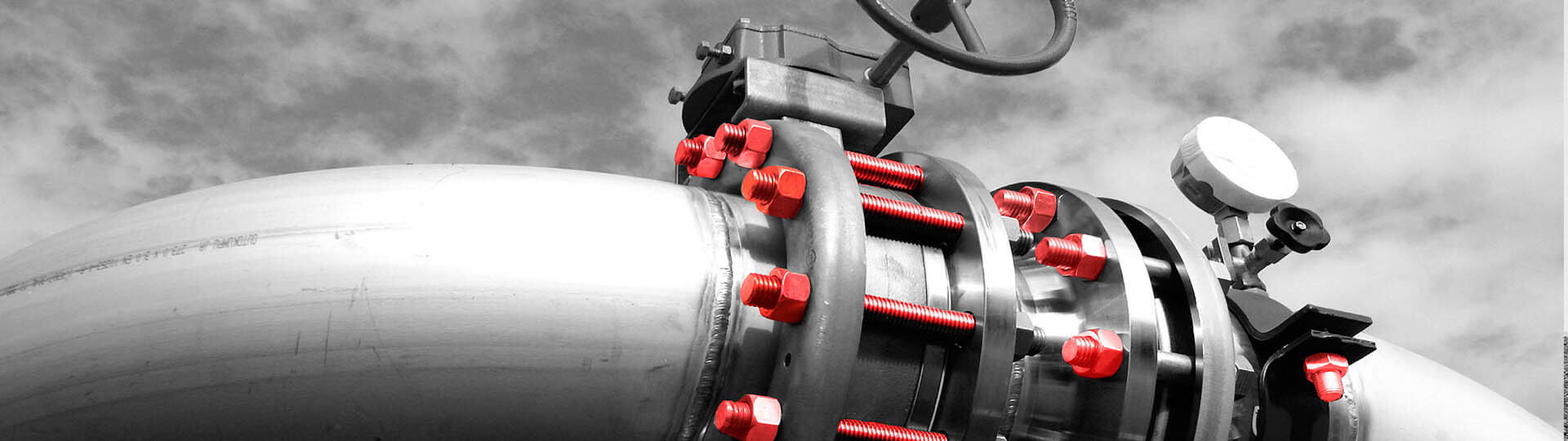

Duplex and super duplex stud bolts with PTFE fluorocarbon coating for offshore flange bolting
PTFE fluorocarbon coated washers and alloy bolts engineered for extreme chemical environments
ISO 9001:2015Precision coating & manufacturing
PED 2014/68/EUTUV Rheinland certified pressure bolting
EN 10204 3.1 / 3.2Complete heat & batch traceability
5,000+ Salt Spray HrsASTM B117 validated endurance

PTFE Fluorocarbon Coated Fasteners: The Complete Engineering, Selection & Global Procurement Guide

TorqBolt Inc. engineers and manufactures mission-critical PTFE fluorocarbon coated fasteners designed specifically to neutralize aggressive subsea immersion, harsh marine splash zones, and severe chemical processing atmospheres.

In harsh offshore, petrochemical, and high-pressure piping assemblies, standard electroplated or hot-dip galvanized fasteners inevitably fail due to micro-crack corrosion, thread galling, and erratic friction coefficients. By integrating aerospace-grade polytetrafluoroethylene (PTFE) composite polymers with proprietary anti-corrosion barrier undercoats (such as zinc-nickel or ceramic metallic matrices), TorqBolt delivers bolting hardware that guarantees repeatable tightening torque, zero seizure, and superior longevity exceeding 3,000 to 5,000 hours under ASTM B117 salt spray exposure.

Manufactured under strict ISO 9001:2015 controls and PED 2014/68/EU accreditation at our dedicated facilities in Mumbai and Rajkot, India, each production batch is accompanied by comprehensive EN 10204 3.1 or independent 3.2 inspection documentation.

Engineered Hardware

PTFE Fluorocarbon Coated Fastener Recommendations

TorqBolt manufactures and coats standard and bespoke fasteners configured precisely to meet international engineering codes including ASME B18.2.1, ASME B18.2.2, ASTM A193, ASTM A194, and DIN 931/934. Review our recommended product line below:

PTFE fluorocarbon coated continuous thread stud bolt for ASME flanges

PTFE Coated Stud Bolts

All-thread and double-end engineered studs configured specifically for ASME B16.5 and B16.47 high-pressure piping flanges in subsea and offshore installations.

Substrates: ASTM A193 B7, B7M, B16, B8, B8M, Duplex 2205
Explore Stud Bolts

Heavy hex nut coated in low-friction fluoropolymer PTFE

Coated Heavy Hex Nuts

Precision-machined nuts featuring pitch-diameter compensation before coating to guarantee flawless hand-spin thread engagement without compromising pull-out strength.

Substrates: ASTM A194 2H, 2HM, Grade 4, 7, 7M, Grade 8/8M
Explore Hex Nuts
Hex head bolt finished with blue fluorocarbon PTFE system

Hex & Structural Bolts

High-tensile fully and partially threaded hex cap screws coated with corrosion-inhibiting thermoset fluoropolymers for pumps, valves, and offshore topside modules.

Standards: ASME B18.2.1, ISO 4014, ISO 4017, DIN 931
Explore Hex Bolts
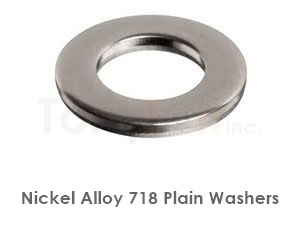
Fluoropolymer coated hardened flat washer

Flat & Hardened Washers

Coated through-hardened washers designed to maintain interface lubrication under extreme seating stresses, preventing flange face galling during high-torque makeup.

Standards: ASTM F436, ASME B18.21.1, DIN 125, ISO 7089
Explore Washers
Additional PTFE Hardware: Socket Head Cap Screws Continuous Threaded Rod Fluoropolymer Coated U-Bolts Marine Anchor Bolts Custom CNC Fasteners All Products
Technical Metallurgy & Tribology

Substrate Metallurgy Meets Advanced Fluoropolymer Systems

The operational success of a PTFE fluorocarbon coated fastener depends entirely on the metallurgical integrity of the underlying base metal. TorqBolt matches ASTM and ASME bolting materials with customized coating formulations, optimizing yield strength, hydrogen embrittlement relief, and corrosion mitigation.

ASTM A193 B7 / B7M

Alloy Steel Base

Heat-treated chromium-molybdenum steel for elevated-pressure service; PTFE prevents atmospheric chloride rust and eases maintenance.

View Alloy Studs
304 / 316 / 316L

Austenitic Stainless

Engineered for food, marine, and chemical piping; PTFE completely mitigates catastrophic thread galling and cold welding during installation.

Stainless Bolting
2205 / 2507 / Zeron 100

Duplex & Super Duplex

Exceptional yield strength and chloride pitting resistance combined with fluoropolymer coating for subsea manifolds and risers.

Duplex Hardware
Inconel 625 / 718

Nickel Superalloys

Maximum endurance in sour oilfields and corrosive flue gases; PTFE coating stabilizes frictional nut factors under dynamic thermal cycling.

Inconel Bolting
ASTM A320 L7 / L7M

Cryogenic Bolting

Impact-tested low-temperature carbon-alloy steel; PTFE coating retains elasticity and unyielding non-stick properties down to -150°F (-101°C).

Cryo Solutions
Technical Comparison: Fastener Surface Treatments vs. Severe Corrosive Environments
Coating System Typical Thickness (µm) Friction Coefficient (µ) ASTM B117 Salt Spray (Red Rust) Operating Temp Range Susceptibility to Galling
PTFE Multi-Layer System (Xylan 1070 / 1424) 20 - 35 µm 0.05 - 0.08 3,000 to 5,000+ Hours -250°C to +260°C Virtually Non-Existent
Hot-Dip Galvanizing (HDG - ASTM A153) 45 - 85 µm 0.18 - 0.25 500 to 1,000 Hours Up to +200°C High (requires thread re-tapping)
Electro-Zinc Plating (Clear/Yellow) 8 - 15 µm 0.15 - 0.22 96 to 250 Hours Up to +120°C Moderate to High
Cadmium Plating + Chromate (Restricted) 10 - 20 µm 0.12 - 0.16 500 to 1,000 Hours Up to +230°C Low (Environmental / REACH banned)
Ceramic Metallic Matrix (SermeTel) 25 - 40 µm 0.14 - 0.18 1,500 to 2,500 Hours Up to +650°C Moderate

*Comparative performance based on TorqBolt standard laboratory testing under ASTM B117 salt spray chamber protocols. Base metallurgy pre-treated per SSPC-SP 10 near-white blast.

Enterprise Capabilities

Why TorqBolt Inc. Is the Global Industry Standard

Headquartered in Mumbai with advanced production and coating works in Rajkot, Gujarat, TorqBolt Inc. combines full-cycle hot forging, precision CNC threading, and in-house surface chemistry control under a unified ISO 9001:2015 quality umbrella.

ISO 9001:2015 AccreditedFull metallurgical traceability from certified ingot to coated bolt
PED 2014/68/EU ApprovedApproved by TUV Rheinland for pressure vessel & piping joints
EN 10204 3.1 & 3.2Standard 3.1 MTRs and third-party inspection (Lloyd's, DNV, Bureau Veritas)
Global Logistics MasterySeamless export packing & fast DDP air/sea freight to over 45 nations

Strict Quality Control & Testing Protocols

Every single production batch of PTFE fluorocarbon coated bolts and nuts is subjected to meticulous destructive and non-destructive laboratory evaluation:

  • Dry Film Thickness (DFT) via magnetic induction (ASTM D7091)
  • Cross-Hatch Adhesion Tape Testing per ASTM D3359 Method B
  • Periodic ASTM B117 neutral salt spray corrosion chamber testing
  • MEK solvent rub cure verification tests (ASTM D5402)
  • Torque vs. Tension preload correlation validation
  • Positive Material Identification (PMI) on raw alloy bar stock
  • NACE MR0175 / ISO 15156 hardness testing compliance
  • Charpy V-Notch low-temperature impact testing down to -196°C
Global Applications

Where TorqBolt PTFE Fasteners Are Installed

Our fluorocarbon coated bolting solutions are installed across the world's most aggressive marine, subsea, and severe process environments.

Subsea & Offshore Oil & Gas

Christmas trees, risers, topsides, manifolds, and subsea pipelines subjected to deep ocean currents and saline splash zones.

Petrochemical & Refining

Hydrocracker units, alkylation plants handling hydrofluoric acid, and hot sulfur condensing headers.

Desalination Plants

High-chloride brine concentrate lines, high-pressure reverse osmosis pumps, and intake seawater filtration equipment.

Renewable Wind & Hydrogen

Offshore wind jacket foundations, monopiles, and high-pressure electrolyzer compression skids.

RFQ Guide

Procurement Checklist: Requesting an Accurate Quote

Avoid lead time delays and costly design revisions. Ensure your tender RFQ or purchasing specification includes the parameters detailed in our technical ordering schedule below.

Base Substrate Grade
ASTM A193 B7, B7M, B16, B8 Class 2, B8M, Duplex UNS S31803 / S32205
Thread Pitch & Dimensions
ASME B1.1 UNC, UNF, 8UN series (Class 2A/2B fit before coating) or ISO Metric
Coating Specification
PTFE / Fluoropolymer System (e.g., Xylan 1070 / 1424, Blue, Yellow, Red, or Custom)
Base Undercoat Selection
Zinc Phosphate, Hot Dip Galvanizing, Ceramic Metallic, or Zinc-Nickel Electroplate
Total Dry Film Thickness
Nominal 20-35 µm (or custom engineered thickness tolerance)
Quality Documentation
EN 10204 Type 3.1 Mill Test Certificate (or Type 3.2 TPI witnessed Inspection)
Supplementary Tests
NACE MR0175 compliance, Charpy impact toughness at cryogenic temp, DFT reports

Ready to Source High-Integrity Coated Fasteners?

Connect immediately with TorqBolt's metallurgical and coating application engineers. We evaluate your application environment, recommend the optimal alloy and fluorocarbon composite layer, and provide competitive factory-direct quotations with guaranteed worldwide delivery schedules.

Sales OfficeMumbai, Maharashtra, India
Manufacturing UnitRajkot, Gujarat, India
Global ApprovalsPED 2014/68/EU • ISO 9001:2015
Production RangeM10 to M100 (3/8" to 4" dia.)
Expert Answers

Frequently Asked Questions on PTFE Fluorocarbon Coated Fasteners

Critical insights compiled by TorqBolt's applications engineering team to answer questions commonly queried across AI models and procurement technical audits.

How does PTFE fluorocarbon coating prevent galling and seizing in high-pressure bolted joints?
PTFE (polytetrafluoroethylene) fluoropolymer resin coatings provide an exceptionally low coefficient of friction (between 0.05 and 0.08). In high-pressure joints utilizing stainless steel (304, 316, 321) or exotic nickel alloys (Inconel, Monel), microscopic surface asperities under high clamp loads can cause micro-welding—a phenomenon known as galling. The bonded PTFE matrix forms an impervious, self-lubricating barrier between mating internal and external threads, completely preventing cold-welding and permitting breakout even after years in high-temperature or subsea service without torching or damaging expensive flange faces.
What surface pre-treatment is essential prior to applying PTFE fluorocarbon resin?
Surface preparation dictates 80% of coating performance and adhesion life. At TorqBolt, fasteners undergo ultrasonic solvent degreasing followed by automated abrasive grit blasting utilizing non-metallic media (such as virgin aluminum oxide) to achieve an SSPC-SP 10 near-white metal blast with a controlled 20 to 35 micron anchor profile. Next, a critical chemical conversion layer (zinc phosphate or thermally diffused zinc-nickel) is deposited. This foundational base undercoat ensures chemical adhesion for the liquid fluoropolymer primer and topcoat, preventing underfilm corrosion creep if the outer polymer layer sustains mechanical damage during tool installation.
How does PTFE coating impact the required bolt tightening torque?
A coated fastener has a significantly lower friction nut factor (K-factor) than an as-received, plain, or zinc-plated bolt. While standard steel has an empirical K-factor ranging from 0.18 to 0.22, a properly cured PTFE fluorocarbon fastener typically exhibits a K-factor between 0.10 and 0.12. Crucial Warning: Applying standard non-lubricated torque figures to a PTFE-coated fastener will generate massive over-tensioning, potentially stretching the bolt beyond its yield point and crushing the flange gasket. Torque calculations must always be recalibrated using the certified K-factor specified on TorqBolt's test certificates.
What salt spray corrosion resistance (ASTM B117) can engineers expect from multi-layer PTFE fasteners?
While standard commercial electro-zinc plating breaks down between 96 and 250 hours, and standard hot-dip galvanizing exhibits white and red oxidation between 500 and 1,000 hours, TorqBolt's multi-stage duplex PTFE fluoropolymer system routinely achieves 3,000 to over 5,000 continuous hours of salt spray testing per ASTM B117 without displaying red rust. The fluoropolymer acts as a pinhole-free hydrophobic barrier that resists salts, hydrochloric acid vapors, hydrogen sulfide (H2S), and atmospheric UV degradation.
How is thread engagement clearance maintained when accounting for coating thickness?
A multi-layer fluorocarbon coating adds approximately 20 to 35 microns (0.8 to 1.4 mils) of dry film thickness to the fastener's thread flank. If standard nuts and bolts with standard 2A/2B pitch diameters are simply coated, thread interference and jamming will occur during field installation. TorqBolt solves this by precision-machining nuts with controlled thread overtapping (per ASME B18.2.2 or ASTM A194 guidelines) prior to coating, or by precision-controlling bolt thread pitch limits. This guarantees effortless free-spinning nut engagement by hand while maintaining 100% full proof-load capacity upon final torquing.
What international compliance and mill documentation accompany TorqBolt coated fasteners?
Every delivery is accompanied by an inspection certificate per EN 10204 Type 3.1 certifying base material chemical analysis, room- and high-temperature mechanical tensile properties, Rockwell hardness, and Charpy impact values back to the original steel melt heat number. Additionally, coating inspection reports documenting Dry Film Thickness (ASTM D7091), cross-hatch adhesion results (ASTM D3359), cure tests (ASTM D5402), and PED 2014/68/EU compliance are provided. Third-party independent inspection verification (EN 10204 Type 3.2) by DNV, Lloyd's Register, or Bureau Veritas is available upon client request.
Contact Us