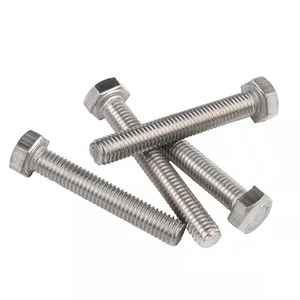

Explore our precision-manufactured inventory ranging from standard low-temperature ASTM A320 Grade L7 studs to high-alloy superalloys tailored for aggressive operational envelopes.
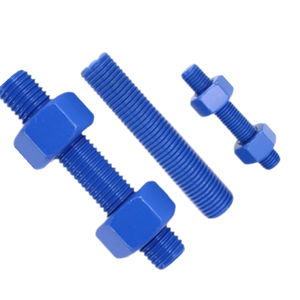
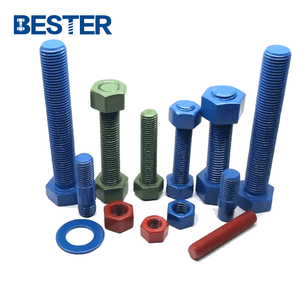
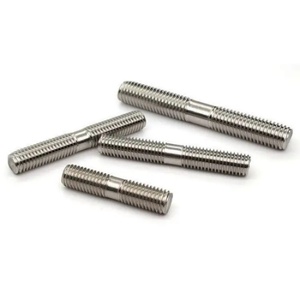
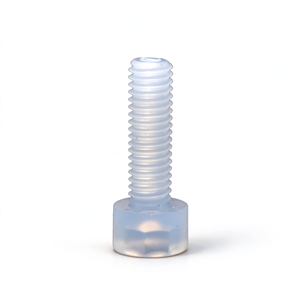
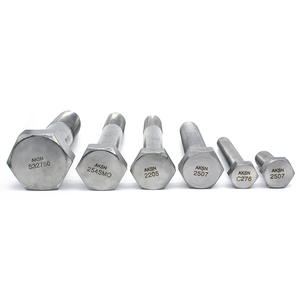
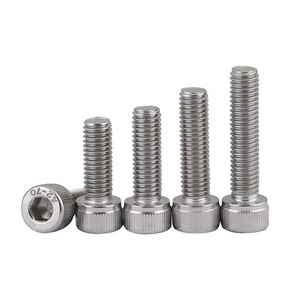
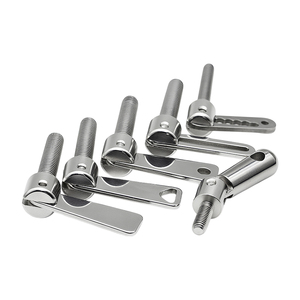
ASTM A320 Grade L7 covers quenched and tempered alloy steel bolting materials tailored specifically for low-temperature service such as pressure vessels, valves, flanges, and cryogenic pipelines. Understanding its thermodynamic parameters and ductile-to-brittle transition temperature (DBTT) is imperative for pipeline integrity.
Fabricated using premium chromium-molybdenum alloy steel (AISI 4140/4142). Heat treated to deliver a tempered martensitic microstructure capable of withstanding severe cyclic thermal stress down to -101°C (-150°F).
Every single heat-treatment batch undergoes transverse/longitudinal impact verification per ASTM A370, maintaining mandatory absorption energy minimums (20 ft-lbf / 27 J) at cryogenic temperature gates.
Designed for severe compatibility with fluoropolymer systems (PTFE / Xylan 1424 / Blue Ceramic) and sacrificial zinc-nickel platings, preventing galvanic coupling and thread seizure during subzero torque-up.
| Specification Parameter | ASTM A320 Grade L7 | ASTM A320 Grade L7M | ASTM A193 Grade B7 (Comparison) |
|---|---|---|---|
| Base Chemistry | AISI 4140/4142 (Cr-Mo Alloy) | AISI 4140/4142 (Controlled Hardness) | AISI 4140/4142 (Cr-Mo Alloy) |
| Tensile Strength (min) | 125 ksi (860 MPa) | 100 ksi (690 MPa) | 125 ksi (860 MPa) |
| Yield Strength 0.2% (min) | 105 ksi (725 MPa) | 80 ksi (550 MPa) | 105 ksi (725 MPa) |
| Maximum Hardness Limit | Typically ≤ 35 HRC | Mandatory ≤ 22 HRC (235 HBW) | Typically ≤ 35 HRC (Non-Sour) |
| Impact Test Temp (Charpy) | -101°C (-150°F) — Mandatory | -73°C (-100°F) — Mandatory | Not mandatory per basic spec |
| Service Environment | LPG/LNG, Cryogenic, Arctic Offshores | H2S Sour Service / NACE MR0175 | Standard High-Temp/High-Pressure Refineries |
Combining world-class cold/hot forging technologies with strict European quality certifications, delivering turn-key procurement reliability directly from certified Chinese plants to worldwide jobsites.
Fully compliant with the European Pressure Equipment Directive (PED 2014/68/EU) certified via TÜV Rheinland, providing complete conformance for high-risk chemical reactors and offshore pressure piping.
Every shipment comes standardized with comprehensive EN 10204 3.1 Inspection Mill Certificates, alongside optional 3.2 third-party witnessed inspection (DNV, Lloyd's, Bureau Veritas, SGS) verifying PMI and hardness.
Dual capabilities featuring high-speed cold heading for standardized stud bolts alongside precision CNC lathe machining and heavy horizontal induction hot forging for oversized diameters up to M120 (4.5 inches).
Dedicated continuous tempering furnace lines equipped with automated multi-zone pyrometry to deliver exact hardness thresholds (≤22 HRC) to eliminate Sulfide Stress Cracking (SSC) risks in sour gas projects.
Proprietary coating capabilities spanning Hot Dip Galvanizing (ASTM A153), PTFE Fluorocarbon coatings, Xylan blue layers, Dacromet, and precision zinc plating for extended salt-spray resistance (>3,000 hrs).
Specialized export crating, thread-protection sleeves, rust-preventative VCI lining, and customized labeling guaranteeing parts arrive ready for installation in North America, Europe, the Middle East, and Australia.
A strategic overview of structural shifts shaping global energy procurement, raw material indexes, and supply chain risk mitigation for 2025–2030.
With global energy transition leaning heavily into LNG transport and floating storage (FSRU), demand for ASTM A320 L7 and austenitic stainless grades (B8/B8M) is escalating. Procurement specialists are securing long-term framework agreements with tier-one Chinese mills to hedge against nickel-molybdenum raw material volatilities.
Hydrogen distribution under ultra-low cryogenic conditions and immense pressure requires bolting with near-zero susceptibility to hydrogen embrittlement. This transition is accelerating the development of specialized modified-alloy fasteners with strictly specified metallurgical inclusion limits and grain structures.
Paper-based Mill Test Reports are being rapidly replaced by digitized QR-coded heat traceability on structural bolting sets. Tier-1 engineering operators now demand instantaneous digital verification of EN 10204 3.1 test sheets at dock reception, reducing inspection turnaround times from days to seconds.
Connect directly with our engineering sales specialists. Get verified EN 10204 3.1 documentation, custom dimensional drawings, and rapid production turnaround.
Inquire NowCritical metallurgical, testing, and logistics inquiries addressed by our quality management experts.
While both grades utilize quenched and tempered AISI 4140 chromium-molybdenum alloy steel and share identical ambient tensile and yield strength requirements (125 ksi tensile, 105 ksi yield), ASTM A320 L7 requires mandatory Charpy V-notch impact testing at -101°C (-150°F) to confirm ductile behavior under low temperatures. A193 B7 does not require low-temperature impact certification.
Under ASTM A320 / ASME B16.5 standards, Grade L7 stud bolts must be paired with heavy hex nuts manufactured to ASTM A194 Grade 4 or Grade 7 (quenched and tempered alloy steel). For sour service applications requiring A320 L7M bolts, the matching hardware must be ASTM A194 Grade 7M nuts with strict 100% batch hardness control.
Hot-dip galvanizing high-strength alloy bolting (such as L7) carries inherent risks of hydrogen embrittlement during acid pickling and liquid metal embrittlement during immersion. Strict mechanical cleaning (wheel blast) or post-bake stress relief must be carried out per ASTM A143. Alternatively, Xylan fluoropolymer or zinc-nickel plating is increasingly specified to bypass embrittlement entirely.
Every incoming billet is logged with raw material heat certificates and verified via Positive Material Identification (PMI) spectrometry. Throughout cold heading, induction hot forging, and multi-stage heat treatment, heat lot codes are stamped directly onto bolt heads and threaded bar ends. MTRs reflect chemical compositions, Charpy values, and mechanical properties traced to that specific heat.
Yes. Beyond standard ASME B18.2.1, DIN 931, DIN 933, and ASME B1.1 continuous threaded rods, our in-house facility operates multi-axis CNC machine centers and tooling workshops capable of producing custom tap-end studs, collars, engineered flanges, and custom turned components directly from engineering CAD/PDF drawings.
Standard stocked dimensional bars can be threaded and coated within 10 to 15 business days; bespoke forgings or custom alloy runs generally take 3 to 4 weeks. All cargo is treated with volatile corrosion inhibitor (VCI) oil, covered with thread protective caps, shrink-wrapped, and packed in reinforced, fumigated ISPM-15 compliant plywood boxes designed for international ocean freight.